Best Places to Visit in North Yorkshire in Autumn 2026
 Bronze heather and golden bracken across a North York Moors valley under a low October sun
From the haunting beauty of the North York Moors to medieval York's gaslit streets, autumn transforms North Yorkshire into a tapestry of rust and gold, with harvest festivals, uncrowded trails and cosy market town pubs waiting between September and November.
York: medieval streets and autumn markets
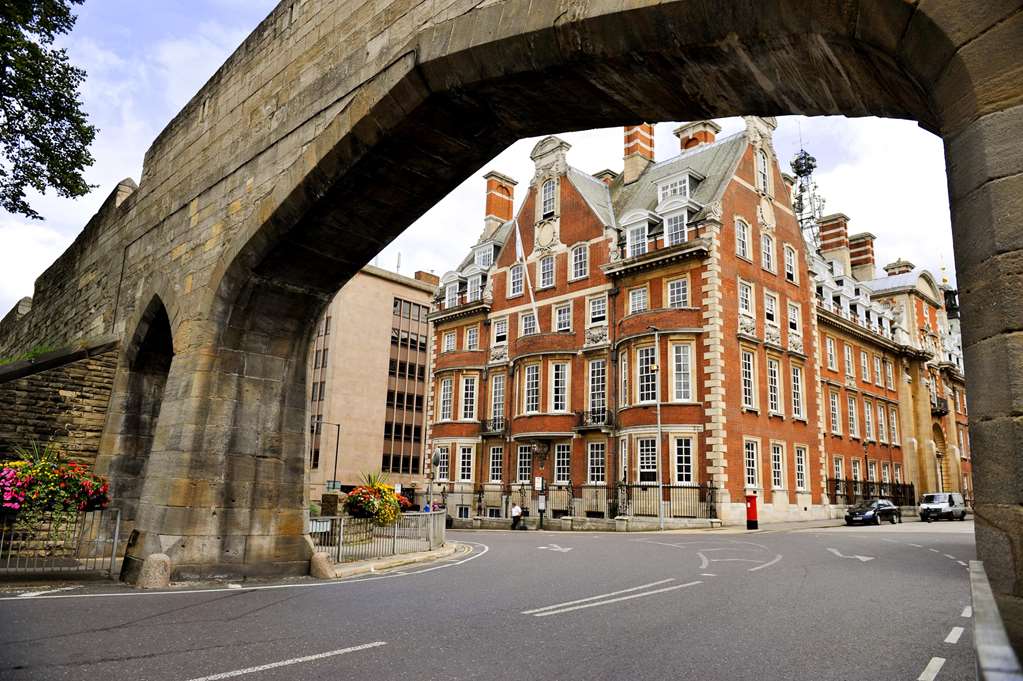
York becomes particularly atmospheric when October mist rolls off the River Ouse and settles around the city walls. The Shambles, that crooked medieval lane of overhanging timber buildings, takes on a different character when leaves scatter across its cobbles and the low autumn sun slants through the gaps between shops. The Minster looks its most dramatic against bruised October skies, and you can walk the three-kilometre city wall circuit without the summer crowds, starting at Bootham Bar and following the ramparts past Monk Bar, where views stretch across terracotta rooftops towards the Minster's twin towers. St Helen's Square hosts a regular farmers' market in autumn where North Yorkshire producers sell everything from Whitby crab to Wensleydale cheese, and the nearby Betty's Tea Rooms on St Helen's Square becomes a refuge on drizzly afternoons, though expect queues even in November.
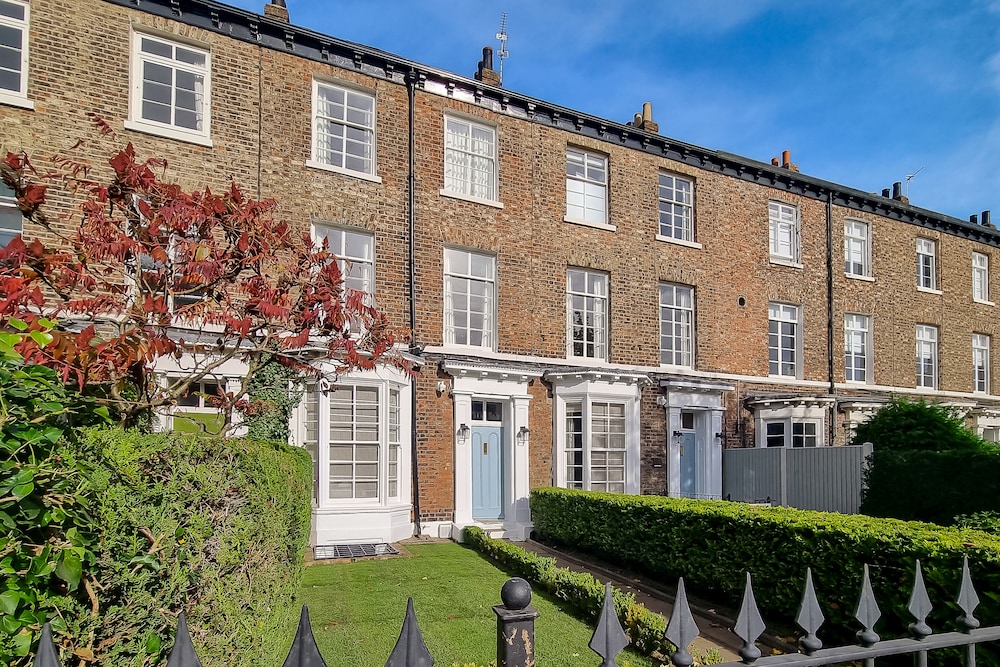
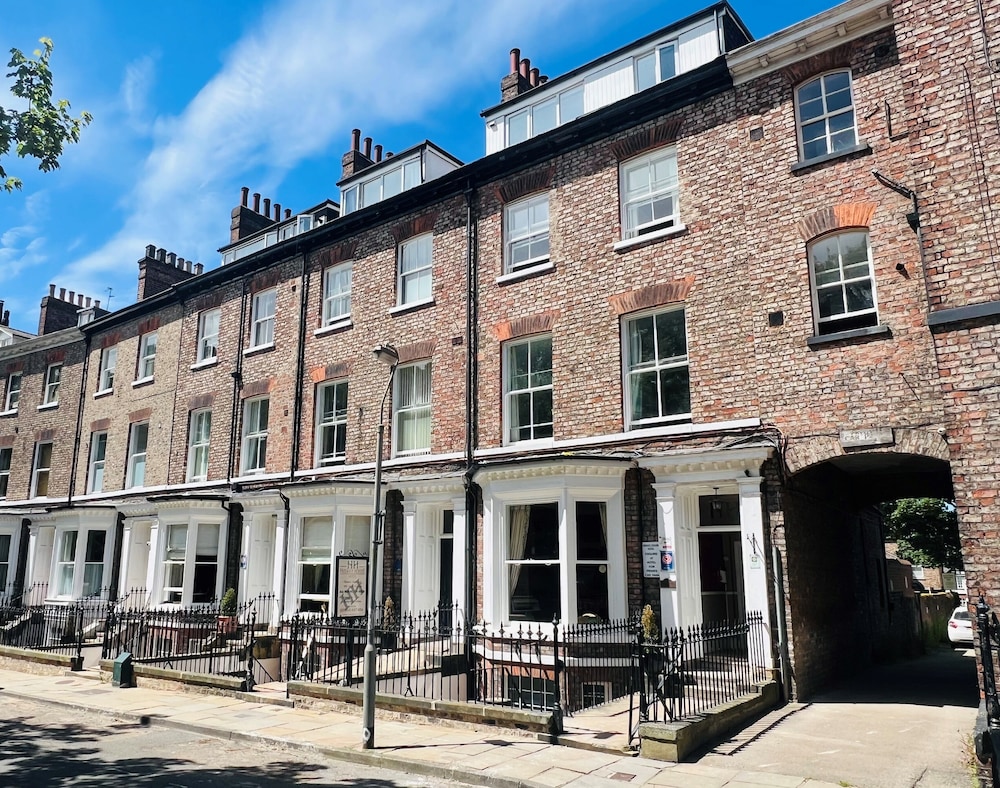
Autumn accommodation in York ranges from £70 to £180 per night depending on proximity to the centre. The neighbourhoods around Gillygate and Bootham offer Victorian guesthouses within fifteen minutes' walk of the Minster, while Bishopthorpe Road south of the river has independent hotels with parking, useful if you're planning day trips into the Dales or Moors. October half-term week sees prices climb, so book the first or last week of the month instead. The York Food and Drink Festival runs for ten days each September in Parliament Street and St Sampson's Square, with over 150 stalls and demonstrations worth building a trip around, while the Viking Festival in mid-February feels too far into winter to enjoy the outdoors properly.
Base yourself near the railway station if you're arriving by train from London King's Cross (two hours direct) or Edinburgh (two hours thirty). From York, you can reach Malton in twenty-five minutes by train for its monthly food market, or Thirsk in thirty-five minutes to explore James Herriot country. The National Railway Museum on Leeman Road is free entry and takes ninety minutes to see properly, showcasing everything from Stephenson's Rocket to Japanese bullet trains. For evening atmosphere, the narrow streets around Fossgate and Walmgate have wine bars and gastropubs where you won't feel trapped in a tourist circuit, particularly the area past the junction with Merchantgate where locals actually drink.
The North York Moors: heather moorland and empty valleys
The North York Moors National Park hits peak colour in late September when the heather fades to bronze and the bracken turns burnt orange across four hundred square miles of upland. Rosedale, one of the park's most dramatic valleys, runs north from the village of Rosedale Abbey and offers a circular drive or cycle route that climbs steeply out of the dale onto high moorland with nothing but sheep and grouse for company. The Chimney Bank climb on the western side pitches at one-in-three in places and gives views back across the entire valley to Spaunton Moor opposite. You can park at the old railway trackbed car park near Rosedale Abbey and walk a flat section of the old ironstone railway line that once carried ore from the valley's nineteenth-century mines, now just grassy hummocks among the heather.
Helmsley makes the best overnight base for exploring the western moors, a proper market town with a ruined castle, a cobbled square and several coaching inns that have been taking travellers for three centuries. Rooms run from £85 to £140 in October, less in November when the weather turns. From Helmsley, it's a fifteen-minute drive north on the B1257 to Sutton Bank, where the western escarpment of the moors drops away and you can see across the Vale of York to the Pennines on clear days. The White Horse of Kilburn, a hillside figure cut into the limestone, sits just south and makes a decent hour-long walk from the National Park Centre car park. Rievaulx Abbey lies in a wooded valley five miles west of Helmsley, and though English Heritage charges £12 entry, the Cistercian ruins genuinely merit an hour of your time, particularly when autumn light filters through the surviving arches of the nave.
The coast-to-coast drive from Helmsley to Whitby via the A170 and A171 takes fifty minutes and crosses Sleights Moor and Grosmont Moor, both worth a stop if the heather is still showing colour in early October. Robin Hood's Bay, six miles south of Whitby, has a steep main street tumbling down to a rocky beach and tide pools that reveal fossils if you know where to look. The Bay Hotel at the top of the village has parking, crucial because the lower village bans cars. Stay the night in Robin Hood's Bay itself rather than treating it as a day trip from Whitby, because once the coaches leave at four o'clock you get the place back and can walk the beach at dusk when oystercatchers work the tideline.
Harrogate and the Nidderdale AONB
Harrogate reinvented itself as a Victorian spa town and never quite shook off the genteel atmosphere, which works in its favour during autumn when the Valley Gardens turn amber and gold. The gardens run for seventeen acres through the centre of town along the line of the old Bogs Field springs, with October colour best along the lime avenue and around the Sun Pavilion. Montpellier Quarter, with its antique shops and cafés along Montpellier Parade and Royal Parade, has covered arcades useful when November rain sets in. Bettys on Parliament Street is the original location, opened in 1919, and the art deco interior alone justifies the queue, though service moves faster than at the York branch. Room rates in Harrogate centre hover around £90 to £160, with the area around Duchy Road and Valley Drive offering Victorian terraces converted to small hotels within ten minutes' walk of the Stray, that two-hundred-acre common that wraps around the southern edge of town.
Nidderdale, the valley running northwest from Harrogate, carries far fewer visitors than Wharfedale or Wensleydale despite identical scenery of dry-stone walls, field barns and curlew-haunted pastures. The B6265 follows the River Nidd from Ripley through Pateley Bridge to Lofthouse, a forty-minute drive that passes Gouthwaite Reservoir where you can park at the southern end and walk the permissive path along the western shore, watching for the resident oystercatchers and occasional ospreys passing through in September. Pateley Bridge has a proper high street with butchers and bakers rather than gift shops, and the Nidderdale Museum on King Street charges £4 for a surprisingly thorough collection covering lead mining, farming and local dialect. How Stean Gorge, three miles northwest of Lofthouse, offers an easy boardwalk route through a limestone ravine with waterfalls and ferns, taking forty minutes without stopping, and costs £7.50 entry.
Fountains Abbey and Studley Royal Water Garden sit between Harrogate and Ripon, about twenty minutes' drive from either. The National Trust charges £19 for adults but the site covers eight hundred acres and you could easily spend four hours walking the water gardens, exploring the abbey ruins and climbing to Anne Boleyn's Seat viewpoint. Autumn colour peaks around mid-October when the ornamental lakes reflect beeches and sweet chestnuts. The Cistercian abbey, founded in 1132, remains the largest monastic ruin in Britain, and the nave still stands to full height despite Henry VIII's best efforts. Visit on a weekday in November after half-term to avoid school groups. Ripon itself, three miles north, has a cathedral with Saxon crypt and a market square where the Hornblower sounds his horn at nine every evening, a tradition unbroken since 886 AD, though whether you find that charming or twee depends entirely on your tolerance for municipal pageantry.
The Yorkshire Dales: Wensleydale and Swaledale valleys
Wensleydale runs east-west across the heart of the Dales, a wide, gentle valley famous for cheese, waterfalls and stone-built villages that look hewn from the surrounding limestone. Hawes, the valley's main town, sits at the watershed and hosts a Tuesday market that actually serves local farmers rather than tourists, though the Wensleydale Creamery on Gayle Lane leans heavily into coach-party traffic with its visitor centre and restaurant. You can skip the creamery tour and buy the same cheese for less at the Co-op on Main Street. Hardraw Force, England's highest single-drop waterfall at thirty metres, lies one mile north of Hawes up a track behind the Green Dragon Inn, which charges £5 to access the falls through their land. The water volume depends entirely on recent rainfall, so a dry September produces a disappointing trickle while a wet October delivers a proper curtain of white water into the amphitheatre of limestone cliffs.
Aysgarth Falls, twelve miles east of Hawes, spreads across three separate cascades as the River Ure drops through wooded limestone steps. The Upper Falls car park (£5 all day) gives quickest access, and the walk down to the Middle and Lower Falls takes thirty minutes return, best attempted after rain when the river runs high. The woods around the falls turn orange and yellow in late October, and you can extend the walk to Aysgarth village where St Andrew's Church has a remarkable sixteenth-century rood screen and medieval choir stalls carved from Jervaulx Abbey after the Dissolution. Castle Bolton, visible on the valley side south of Aysgarth, charges £10 to explore the fortress where Mary Queen of Scots spent six months imprisoned, but the views from the battlements across Wensleydale and Raydale justify the cost on a clear day.
Swaledale, the next valley north, runs narrower and wilder than Wensleydale, with steep valley sides and fewer tourists. Reeth stands at the junction with Arkengarthdale, a classic Dales village with a wide sloping green surrounded by stone cottages and three pubs. The Buck Inn on the green serves local ales and has rooms from £80 including breakfast, positioning you perfectly for walks along the Swale valley in either direction. Muker, six miles west, is smaller still, just a cluster of houses, a church and the Farmers Arms, but the walk from Muker to Keld through flower meadows and past stone barns captures everything good about the Dales in two hours. The valley sides show vivid autumn colour in October when the ash and sycamore turn, and you'll see more sheep than people even on weekends. The minor road over the Buttertubs Pass from Hawes to Muker climbs to 526 metres and passes the Buttertubs themselves, a series of limestone shafts beside the road that plunge twenty metres into darkness, free to view and genuinely impressive if you walk to the edge and look down.
Whitby: Gothic abbey and fishing harbour
Whitby occupies a dramatic position where the River Esk cuts through to the North Sea between cliff-top settlements, the ruined abbey silhouetted against the sky on the East Cliff and the jumbled red-roofed houses of the old town cascading down to the harbour. Climbing the 199 steps from Church Street to St Mary's Church and the abbey becomes a rite of passage, though there's a road route if your knees object. The abbey itself, managed by English Heritage for £12.60 entry, inspired Bram Stoker's Dracula and genuinely looks its best under moody autumn skies when Atlantic fronts roll in and gulls wheel around the Gothic arches. The graveyard at St Mary's Church, just before the abbey entrance, contains eighteenth-century headstones carved by local craftsmen into skulls, cherubs and ships, and admission is free during daylight hours.
The harbour area divides into the east and west sides, connected by a swing bridge that opens for fishing boats. The west side has most of the fish-and-chip shops, amusement arcades and Dracula-themed gift shops, while the east side around Sandgate and Henrietta Street retains more of its working character with chandlers, smokehouses and the twice-daily fish market when boats land. Magpie Café on Pier Road claims to serve Britain's best fish and chips, and while that's debatable, the haddock is certainly fresh and the queues that stretch down the street even in November suggest they're doing something right. Fortune's Kippers on Henrietta Street has smoked fish over oak chips since 1872, and you can buy vacuum-packed kippers to take home or eat a hot kipper sandwich at the wooden benches outside.
Accommodation in Whitby ranges from £70 for basic guesthouses on the west cliff to £150 for boutique hotels in converted Georgian townhouses around Hudson Street and Flowergate. Book ahead for the Whitby Goth Weekend, held twice yearly including the final weekend of October, when the town fills with people in Victorian mourning dress and room rates double. The Cleveland Way long-distance path runs along the clifftops both north and south from Whitby, and you can walk south to Robin Hood's Bay in three hours covering five miles of dramatic coastline, though you'll need to arrange transport back unless you're up for the return leg. Sandsend, two miles north along the beach or coast path, offers a quieter alternative to staying in Whitby itself, with a sandy beach backed by cliffs and the East Row Café serving exemplary crab sandwiches.
Practical planning for autumn visits
North Yorkshire weather in autumn swings between glorious crisp days with crystal visibility and prolonged Atlantic depressions that dump rain across the moors and dales for days at a time. September typically delivers the most reliable weather, with average daytime temperatures around 14-16°C and lower rainfall than October or November. October brings the best autumn colour, particularly in the third and fourth weeks, but also increasing chances of mist over the moors and rain sweeping in from the North Sea. November can surprise with cold, bright days that show the landscape at its most dramatic, but daylight hours contract sharply, sunset arriving before 4pm by month's end, limiting how much you can pack into a day outdoors. Pack layered waterproofs, proper walking boots if you're tackling moorland paths, and don't rely on mobile signal in the valleys—the A170 across the moors has long stretches with no coverage.
Driving remains the most flexible way to explore North Yorkshire's dispersed attractions, though York itself is best navigated on foot or by local bus once you've parked. The A1(M) motorway runs north-south along the western edge of the region, connecting to York, Thirsk and Northallerton, while the A19 serves the eastern side from Selby to Teesside. Cross-country routes through the Dales and Moors follow single-track roads with passing places, and journey times double what Google Maps suggests, particularly around Swaledale and upper Nidderdale. Fuel stations thin out once you leave market towns, so fill up in Hawes, Helmsley or Leyburn before heading into the hills. Train services connect York, Harrogate, Thirsk and Northallerton to the main East Coast line, and the scenic Esk Valley Railway runs from Middlesbrough to Whitby via Grosmont, useful for walkers tackling sections of the Cleveland Way.
Booking accommodation well ahead matters less in autumn than summer, except during York's festival weekends and Whitby's Goth Weekend. Mid-week rates in market towns typically run 20-30% below weekend prices, and many country hotels offer two-night deals including dinner. The region's National Park visitor centres at Sutton Bank, Danby and Grassington provide free maps, weather forecasts and up-to-date path condition reports, and the staff actually know the area rather than reading from scripts. Entry to abbeys, castles and stately homes costs less with an English Heritage or National Trust membership if you're planning to visit multiple sites. Most rural pubs serve food only until 8pm or 8:30pm, and village shops close early or don't open at all on Sundays, so plan accordingly or you'll end up eating service-station sandwiches in your hotel room.
Before you book
The questions people ask about York, answered with this month’s numbers.
Late September through mid-October offers the best combination of autumn colour, reliable weather and manageable crowds. The heather on the North York Moors fades to bronze in late September, while woodland areas around Harrogate and the Dales show peak colour in mid-October. November brings shorter days and wetter weather but fewer visitors and lower accommodation prices, making it viable if you're comfortable with grey skies and early sunsets before 4pm.
Five to seven days allows you to cover York, the North York Moors coast, and one or two Dales valleys without rushing. A long weekend works if you focus on either the eastern side (York, Whitby, the Moors) or western side (Harrogate, Wensleydale, Swaledale). Distances look short on maps but moorland roads are slow, and you'll want time to walk rather than just drive past viewpoints, so build in buffer time rather than attempting to tick off every location in three days.
A car gives you far more flexibility, particularly for reaching villages in the Dales, moorland viewpoints and coastal spots beyond Whitby. York itself is easily explored without a car using trains and local buses, and you can reach Harrogate, Thirsk and Malton by rail from York. The Esk Valley Railway connects Whitby to the moors, and the Moorsbus operates summer weekend services across the National Park but doesn't run in November, making autumn visits without a car significantly more limiting.
Waterproof jacket and trousers are essential, not optional, even if September forecasts look clear—weather changes fast over the moors. Layered clothing works better than single heavy items because temperature swings between valleys and hilltops can reach 10°C. Proper walking boots with ankle support matter if you're tackling moorland paths or coastal walks, while trail shoes suffice for valley walks. Pack a torch for November visits when daylight fades by 4pm, and don't forget binoculars for wildlife spotting along the coast and reservoirs.
York offers the most connections and facilities but puts you an hour from the best Dales scenery. Helmsley positions you centrally between the Moors and western Dales, with good access to Rievaulx Abbey and Rosedale. Harrogate works well for combining the Dales with easier access to Leeds Bradford Airport and train services. If coastal access matters, Whitby makes sense, though you'll face longer drives to reach the western valleys. Consider splitting your stay between two bases rather than attempting daily two-hour drives from a single location.