Best Weekend Getaways in North Yorkshire 2026
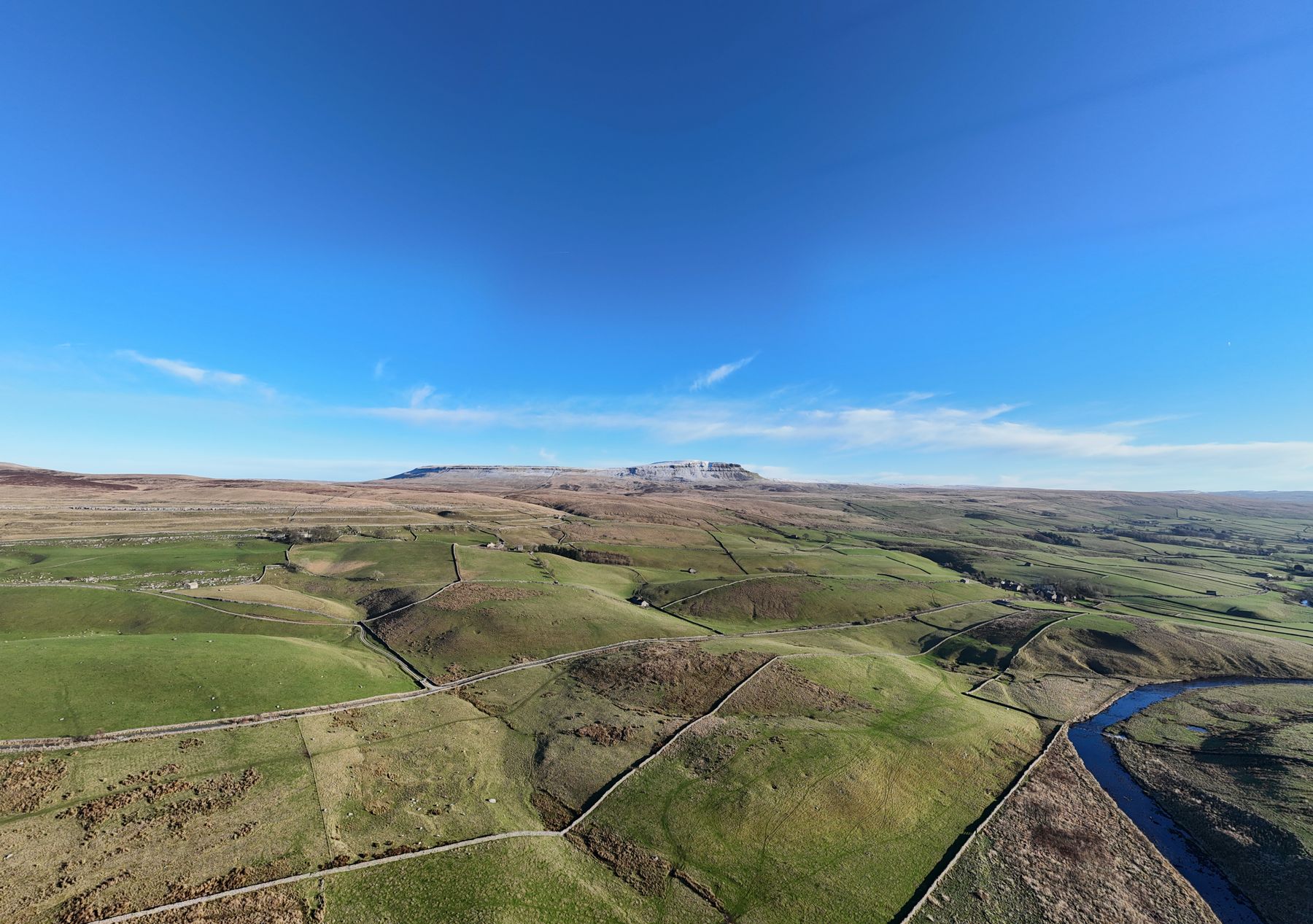 Stone cottages and a river running through a North Yorkshire market town below open moorland
From the cobbled streets of York to the windswept moors above Whitby, North Yorkshire delivers history, hiking and market-town charm within two hours of most northern cities.
York: Medieval Lanes and Living History
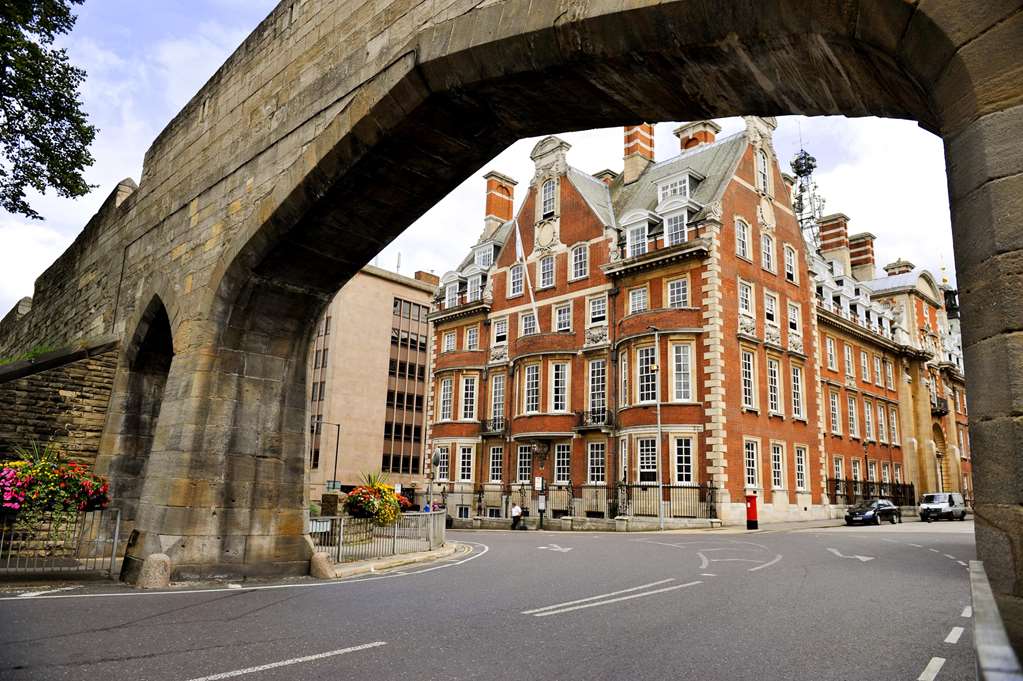
York remains the natural starting point for any North Yorkshire weekend, sitting twenty minutes by train from Leeds and two hours from London King's Cross. The Minster's twin towers dominate the skyline, visible from almost every approach road, and the medieval city walls trace a three-mile circuit you can walk in ninety minutes with pauses at Bootham Bar and Monk Bar. The Shambles—a fourteenth-century butchers' street now lined with teashops and independent bookshops—gets crowded by eleven on Saturday mornings, so arrive by half nine or save it for Sunday evening when coach parties have left. The National Railway Museum sits fifteen minutes' walk west of the station on Leeman Road and charges no admission; allow two hours to see the Mallard, the Japanese bullet train and the royal carriages, or three if you have children who want the miniature railway ride.
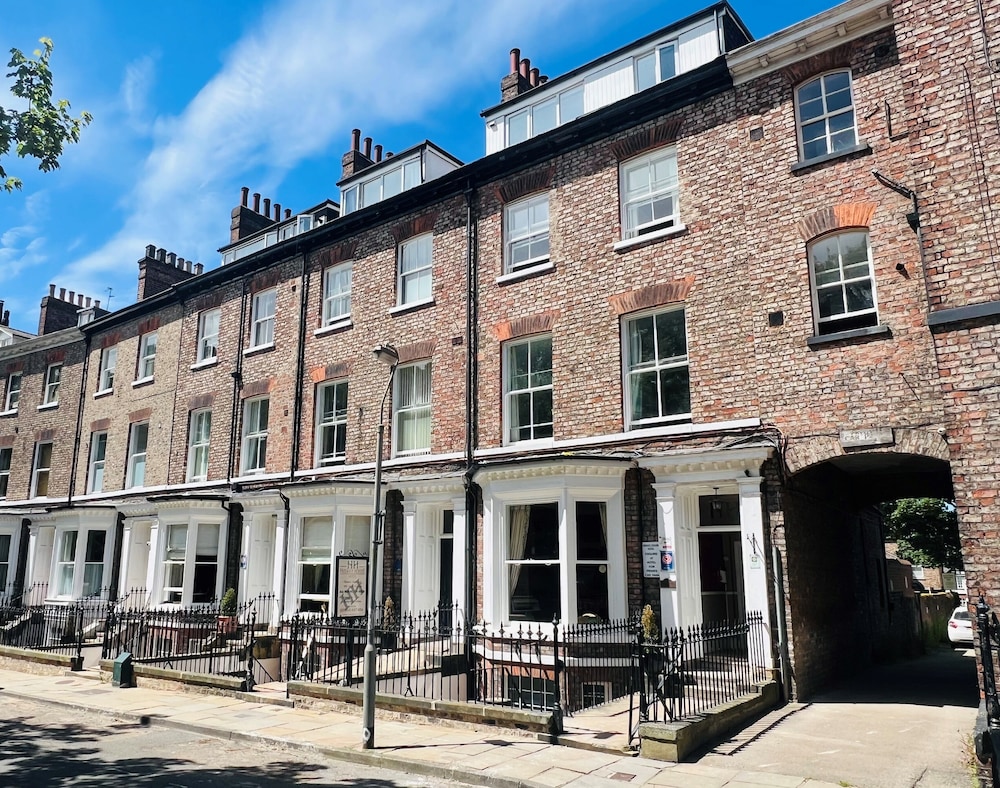
Hotels in York span every budget, from chain properties along Blossom Street near the racecourse to Victorian guesthouses inside the walls on Bootham and Gillygate. The racecourse itself hosts meetings most months except December and January; check the fixture list before booking if you want to catch the Ebor Festival in August or the Dante Meeting in May, or if you prefer to avoid race-day crowds altogether. For dining, Skosh on Micklegate offers small plates—think coal-oil mackerel, aged beef with bone marrow, Jerusalem artichoke with hazelnut—in a seventy-cover room that books weeks ahead for Friday and Saturday; walk-ins sometimes get a Tuesday or Wednesday table at seven. The riverside path along the Ouse runs south from Lendal Bridge past Rowntree Park to Bishopthorpe, a flat five-kilometre loop that locals use for evening runs and dog walks.
York works as a base for day trips—Castle Howard sits thirteen miles northeast, Fountains Abbey twenty-seven miles west—but the city rewards a full weekend on its own. The Jorvik Viking Centre on Coppergate takes you through a reconstructed settlement in suspended cars that smell faintly of fish and smoke; it feels gimmicky until you realise every artifact is genuine and every timber marks the exact position where archaeologists found a tenth-century post. The Yorkshire Museum in Museum Gardens covers Roman, Saxon and medieval finds, including the Middleham Jewel and a hoard of Viking silver, and the gardens themselves bloom with daffodils in March and roses from June through September. Book a hotel inside the walls if you want to roll out of a pub at eleven and be in bed by quarter past; book near the station if you are arriving late Friday and want an eight-minute walk rather than a fifteen-pound taxi ride.
Harrogate and the Nidderdale Villages
Harrogate sits on the A61 corridor between Leeds and Ripon, a Victorian spa town that now trades on boutique hotels, Betty's tea rooms and the RHS Garden Harlow Carr. The town centre clusters around Montpellier Parade and James Street, where independent shops sell kitchen gadgets, cycling kit and women's clothing at prices that reflect the median household income rather than tourist footfall. Betty's on Parliament Street serves Yorkshire-curd tart, fat rascals and loose-leaf tea in a queue that stretches down the pavement most Saturdays; the café at Bettys & Taylors on Hookstone Road near the Harlow Carr entrance offers the same menu with half the wait. The Valley Gardens spread across seventeen acres south of the town centre, free to enter, with a skatepark, dahlia beds and a bandstand that hosts brass bands on summer Sunday afternoons.
Nidderdale runs northwest from Harrogate through Ripley, Pateley Bridge and Lofthouse, following the River Nidd as it narrows from a lowland meander into a moorland stream. Ripley sits five miles north of Harrogate on the A61 and centres on a cobbled square modelled on a village in Alsace-Lorraine—an eighteenth-century landowner's whim that today hosts a Saturday farm market and the Ripley Castle estate, open April through October for guided tours of the rooms and self-guided walks through the deer park. Pateley Bridge, another nine miles upriver, offers antique shops along High Street, a two-hundred-metre vertical climb to the Coldstones Cut viewpoint above Guise Cliff, and the Nidderdale Museum in a converted workhouse on King Street, which collects wool-combing tools, Victorian photographs and a reconstructed cobbler's shop. Book a hotel in Harrogate if you want restaurants and evening options; book a guesthouse in Pateley Bridge if you plan to walk the moors and prefer to start from your doorstep.
Fountains Abbey and Studley Royal Water Garden sit six miles west of Ripon and eleven miles northwest of Harrogate, a UNESCO site managed by the National Trust with parking charges that can reach fifteen pounds on Bank Holiday weekends. The abbey ruins—built by Cistercian monks in the twelfth century, dissolved by Henry VIII, left open to the sky ever since—occupy a wooded valley floor beside the River Skell. The nave stretches ninety metres, the vaulted cellarium beneath the lay brothers' quarters holds thirty bays, and the tower rises fifty metres despite losing its top twenty in a storm. The water garden upstream threads ornamental lakes, temples and cascades through a landscape shaped between seventeen-sixteen and seventeen-forty, best seen in late May when the rhododendrons bloom or mid-October when the beeches turn copper. Allow three hours to see the abbey, the garden and St Mary's Church at the estate's northern edge; bring a raincoat because the valley funnels weather from the Pennines, and the ruins offer no shelter.
The North York Moors: Helmsley to Whitby
Helmsley anchors the southwestern corner of the North York Moors National Park, a market town on the A170 with a ruined castle, a walled garden and the start of the Cleveland Way long-distance trail. The castle keep stands thirty metres tall despite losing its western wall to a Civil War cannonade; English Heritage manages the site and opens it daily except January Mondays, charging eight pounds for adults and free for under-sixteens. Helmsley Walled Garden on Castlegate grows cut flowers, vegetables and espalier fruit inside three acres of eighteenth-century brick walls, staffed mostly by volunteers who will talk about pruning techniques and soil pH if you show interest. The Black Swan on the market square offers rooms with Egyptian cotton and rolltop baths at prices that can reach two hundred pounds Friday and Saturday in summer; the Feversham Arms a mile south on Harome Road includes a poolside spa and falls into a similar bracket.
Rievaulx Abbey sits two and a half miles northwest of Helmsley up a single-track lane that climbs through woodland, emerging at a car park that serves both the abbey ruins and Rievaulx Terrace half a mile uphill. The abbey, another Cistercian foundation from the twelfth century, occupies a narrow valley where the River Rye turns south; the church's east end preserves seven lancet windows and a rose window that frame the wooded slope behind. The terrace—a half-mile grass promenade built in seventeen-fifty-eight with two Palladian temples at either end—offers a planned view down onto the ruins, best appreciated in soft evening light when coach parties have left. Both sites charge separate admission if you visit independently or a combined ticket if you buy in advance online; budget two hours for the abbey, forty minutes for the terrace walk, and another hour if you want to climb the woodland path that links them.
Whitby lies thirty-five miles northeast of Helmsley, reached via the A170 through Pickering and the A171 along the coast, or via smaller roads across the moors through Rosedale and Egton Bridge. The town splits across the mouth of the River Esk: the old town climbs the eastern cliff to the abbey ruins and St Mary's Church, reached by one hundred ninety-nine steps from the harbourside; the western side holds the train station, the Whalebones arch on West Cliff and most of the hotels. The abbey, bombed by a German cruiser in nineteen-fourteen and managed by English Heritage today, stands open to wind that comes straight off the North Sea; the churchyard beside it inspired Bram Stoker's Dracula and fills with goths twice a year during the Whitby Goth Weekend in April and October. The harbour still lands crab and lobster, sold from sheds along Pier Road, and hosts a twice-weekly fish market where day boats unload at six in the morning. Book a guesthouse on Crescent Avenue or Royal Crescent on the west side if you want sea views and flat walks; book in the old town if you want pubs and restaurants within stumbling distance and do not mind climbing stairs.
The Yorkshire Dales: Malham and Wharfedale
Malham sits in the southern Dales, reached from Skipton—the nearest town with a full range of hotels and a train station—along the A65 toward Settle and then a minor road north through Gargrave. The village itself holds a youth hostel, a campsite, the Buck Inn and little else, but the landscape within a two-mile radius contains Malham Cove, Gordale Scar and Malham Tarn, three geological features that anchor half a dozen walking routes. Malham Cove rises eighty metres as a curving limestone amphitheatre above a dry valley; a flagstone path climbs the left-hand side to a limestone pavement on top, fissured into blocks called clints separated by cracks called grikes, where rare ferns and wood sorrel grow in the sheltered crevices. Gordale Scar, a mile northeast, drops water over two stepped overhangs in a narrow canyon; you can scramble up beside the lower fall if you do not mind using hands and getting wet boots, but the upper fall requires ropes and experience.
Malham Tarn, another mile north, fills a shallow glacial basin at three hundred seventy metres elevation, owned by the National Trust and managed as a nature reserve with restricted access to the shoreline. The Pennine Way crosses the outflow on a stone bridge and climbs north to Pen-y-ghent, one of the Yorkshire Three Peaks; the other two, Whernside and Ingleborough, lie further west and form a twenty-five-mile loop that fell-runners complete in under three hours but that takes most walkers ten to twelve with stops. If you attempt any of the Peaks, start early—by eight in summer, half-seven if you are slow—because daylight runs short between October and March, and the tops disappear in cloud more often than they stay clear. Book a hotel in Skipton if you want a cinema, Tesco Metro and curry houses; book a barn conversion near Malham if you want to hear curlews instead of traffic and do not mind driving twenty minutes for a pint of milk.
Wharfedale runs south from Kettlewell through Grassington, Burnsall and Bolton Abbey to Ilkley, following the River Wharfe as it cuts through limestone then millstone grit. Grassington hosts a cobbled square, a handful of outdoor shops selling maps and Gore-Tex, and the Dales Festival in July, which fills the village hall and pubs with folk musicians for a fortnight. The riverside path from Grassington to Linton Falls follows the east bank for a flat mile, suitable for pushchairs and wheelchairs in dry weather; the path from Grassington Bridge up to Conistone Dib climbs three hundred metres over two miles and delivers views south across Wharfedale to the limestone scars above Kilnsey. Bolton Abbey—actually a priory, dissolved in fifteen-thirty-nine—sits beside the Wharfe eleven miles downstream, surrounded by the Duke of Devonshire's estate and accessible via a toll road that costs ten pounds per car at weekends or free if you arrive on foot. The Strid, a mile upstream from the priory, narrows the river to two metres and funnels the full flow through a series of undercut channels; it looks jumpable but has drowned multiple people who tried, so admire it from the path and keep moving.
Richmond and Wensleydale
Richmond sits on the edge of the Dales in the northeast, a Georgian market town rising above the River Swale with a Norman castle, a cobbled marketplace and the Georgian Theatre Royal, built in seventeen-eighty-eight and still staging plays and music between February and November. The castle keep—one of the oldest stone keeps in England, built around ten-eighty—climbs thirty metres in a square tower that offers views north toward Catterick and west up Swaledale. The town itself hosts independent shops on King Street and Finkle Street, a Saturday market that sells vegetables, cheese and fish, and the Station, a converted railway terminus that now holds a cinema, brewery tap room and arts venue. The Drummer Boy on Newbiggin specialises in Yorkshire ales and keeps six hand-pulls rotating; the Shoulder of Mutton in Kirby Hill, three miles northwest, offers rooms above the pub and a menu built around local beef, lamb and game.
Wensleydale runs west from Leyburn through Middleham, Aysgarth and Hawes, best known for waterfalls, cheese and the steam railway that terminates at Redmire. Aysgarth Falls split into Upper, Middle and Lower sections spread over a mile of the River Ure, each dropping over limestone shelves in a series of steps and pools. The Upper Falls sit beside the A684 with a National Park car park that charges six pounds all day; the Middle Falls, a five-minute walk downstream, offer the widest view and featured in the Robin Hood film with Kevin Costner; the Lower Falls, another ten minutes south, run quieter and often hold dipper and grey wagtail. Visit after heavy rain for maximum flow or during a dry July for safe paddling in the pools.
Hawes sits at the head of the dale, thirteen miles west of Aysgarth, a small town that hosts the Wensleydale Creamery on Gayle Lane—open daily for factory tours that cost eight pounds and include tastings of the crumbly white cheese that Wallace and Gromit made famous. The Pennine Way passes through Hawes on its route from Edale to Kirk Yetholm, bringing a steady trade of walkers who need blister plasters, pub meals and somewhere dry to sleep. The market on Tuesdays draws farmers from surrounding valleys selling lamb, beef and vegetables, plus stalls offering outdoor kit, homebaking and secondhand books. The Wensleydale Railway runs diesel and occasional steam services between Leeming Bar and Redmire, passing through Bedale and Leyburn; the full journey takes an hour each way and offers moorland and farmland views that you miss entirely when driving the A684. Book a hotel in Hawes if you plan to walk the Pennine Way sections to Hardraw Force or up Great Shunner Fell; book in Leyburn if you want more choice for dinner and do not mind a twenty-minute drive to the best waterfalls.
Practical Details for a North Yorkshire Weekend
Most visitors arrive by car, using the A1(M) corridor from the south or north, the M62 and A64 from the west, or the A19 from Teesside. Leeds Bradford Airport serves the western Dales and Harrogate, Manchester Airport reaches Skipton and the southern Dales in ninety minutes, and Newcastle Airport sits an hour from Richmond and the northern Moors. Train services connect York, Harrogate and Skipton to the national network, with Northern and TransPennine Express running hourly or better on weekdays, reduced at weekends. The Settle-Carlisle line crosses the western Dales through Ribblehead and Dent, mostly served by day-trippers rather than serious transport users, while the Esk Valley line links Whitby to Middlesbrough via stations at Grosmont, Glaisdale and Castleton.
Accommodation ranges from chain hotels in York and Harrogate—expect to pay ninety to one hundred thirty pounds for a Friday and Saturday night in a Mercure or Hotel Indigo—to country-house properties like Grantley Hall near Ripon or Swinton Park near Masham, where weekend rates start around three hundred pounds per night and climb past five hundred for suites. Guesthouses in market towns like Helmsley, Grassington and Richmond typically charge seventy to one hundred pounds for a double with breakfast; book directly rather than through aggregators if you want flexibility to modify dates. Self-catering cottages suit groups and families willing to cook; a three-bedroom barn conversion near Malham or Aysgarth runs six hundred to nine hundred pounds Friday to Monday in peak season, cheaper in March or November.
Weather dictates plans more than calendars. The Moors and Dales receive heavy rain from Atlantic fronts funnelled across the Pennines, turning footpaths to mud and swelling becks into impassable torrents within hours. Pack waterproofs year-round, and check the Mountain Weather Information Service forecast if you plan to walk above three hundred metres. Summer brings midges to sheltered valleys in June and July, especially after rain; autumn delivers reliable colour in the beech woods around Studley Royal and the oak woods above Farndale, peaking between mid-October and early November; winter closes some minor roads across the Moors when snow blocks the Hole of Horcum or the Blakey Ridge route. Spring, particularly late April and May, balances decent weather with manageable crowds and lambs in the fields, though you will still queue for Betty's and still need to book restaurants in York for Saturday night.
Before you book
The questions people ask about York, answered with this month’s numbers.
York offers the most without a car: the city centre sits within the medieval walls, twenty minutes' walk end to end, and trains reach Harrogate in forty-five minutes, Scarborough in fifty, and Malton in twenty. Local buses connect York to Castle Howard and the Designer Outlet, though frequencies drop to two-hourly on Sundays. Harrogate comes second, with trains to York, Leeds and Knaresborough, plus buses to Ripon, Fountains Abbey and the Nidderdale villages.
Late August through early September when the heather blooms purple across the high moors, particularly visible from the Hole of Horcum viewpoint on the A169 or along the ridge road from Hutton-le-Hole to Rosedale. Early October offers autumn colour in the wooded valleys like Forge Valley and Dalby Forest, while winter snow—unreliable but dramatic—usually arrives in January or February and lasts days rather than weeks at lower elevations.
The valley-floor paths along the Wharfe from Grassington to Burnsall, the Nidd from Pateley Bridge to Lofthouse, and the Swale from Richmond to Easby Abbey stay relatively flat and follow tarmac lanes or flagstone paths suitable for casual walkers. Wensleydale Railway stations at Leyburn, Bedale and Redmire let you walk one way and train back. Any route crossing from one dale to another involves at least two hundred metres of climb.
Saturday dinner reservations in York, especially at Skosh, The Starinn the City or Le Cochon Aveugle, which fill weeks in advance May through September. Hotels in Whitby during school holidays or Goth Weekend, and any accommodation in Helmsley during the Arts Festival in July. Timed tickets for Castle Howard on Bank Holiday weekends. Everything else—abbey admissions, museum entries, waterfall car parks—handles walk-ups without trouble.
Fifty to seventy minutes via the A170 to Pickering then the A169 north, passing the Hole of Horcum and climbing Saltergate Bank. The smaller moorland roads—such as the route through Rosedale Abbey and Egton Bridge—add scenic value but also add thirty minutes and require confident narrow-road driving with passing-place etiquette. In winter, stick to the A-roads because the high routes close in snow or freezing fog.