Foggy Mornings in Whitby: A Photographer's Guide to the Haunted Coast
 2 The Square, Grassington: Honest Verdict for Solo Young Travellers
Sea fret, abbey ruins and empty piers: how to plan a Whitby break around the light, and where to stay for the best of it.
Why the fog comes, and when
Whitby's fog is usually sea fret — warm air over a cold North Sea in late spring and early summer, rolling in on a north-easterly and burning off by mid-morning. May and June give the most mornings like this; September and October bring longer, softer mist that lingers past breakfast. The town sits where the Esk meets the sea, so the harbour end and the East Cliff can be clear while the West Cliff is swallowed. Check the Shipping Forecast and a coastal webcam before you set an alarm.
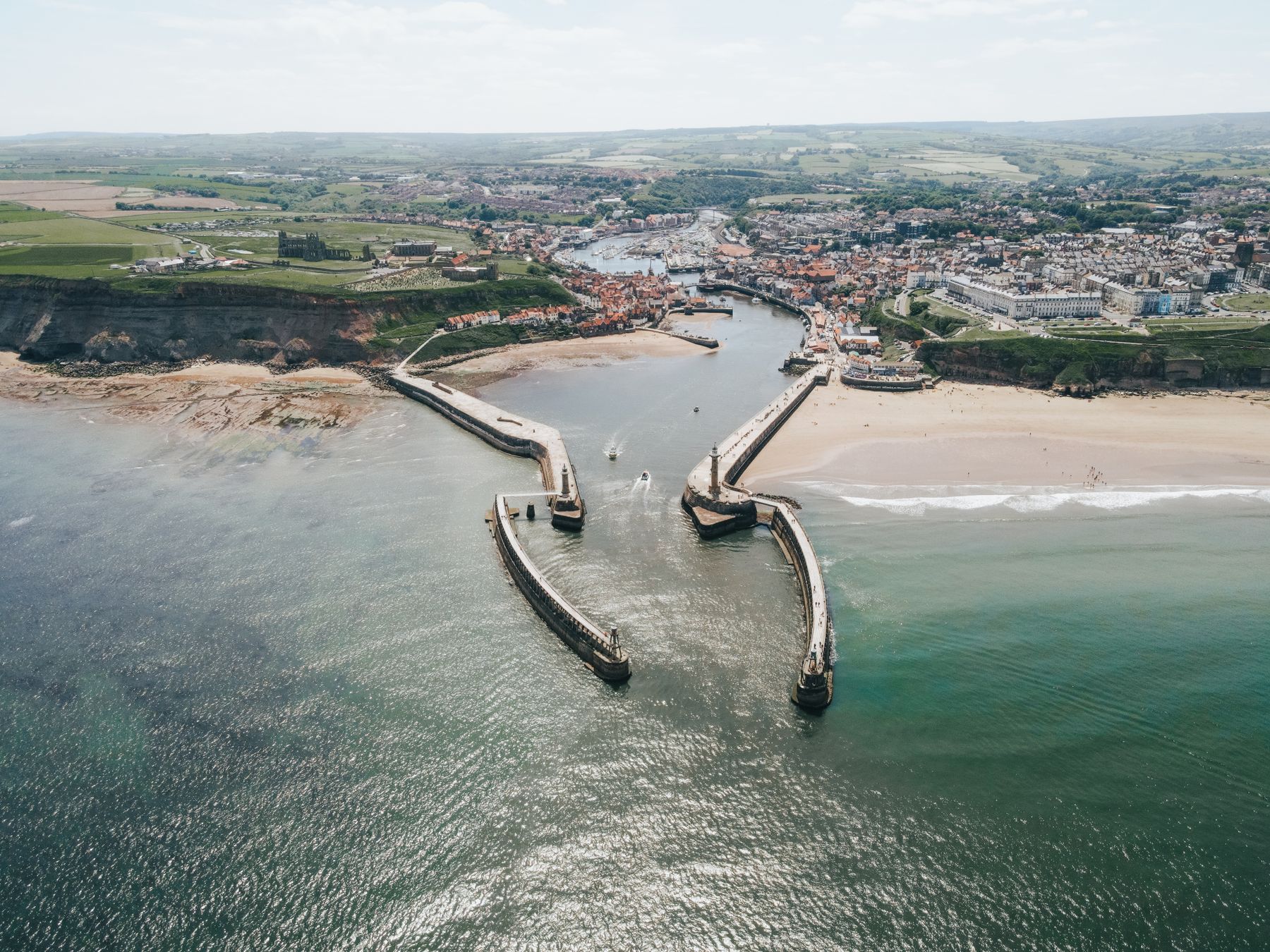
Fog here is a working condition, not a novelty. Fishing boats still leave on the tide, the lifeboat station at the harbour mouth stays busy, and the abbey ruins on the clifftop take on the silhouette everyone comes for. If you want the classic view of St Mary's churchyard and the abbey through mist, you need to be up before the car parks open. That argues for staying in town rather than driving in from elsewhere.
Where to base yourself
The East Cliff puts you a short climb from the abbey, the 199 steps and the churchyard, which is where most photographers want to be at first light. Guesthouses along Abbey Plain and Church Street are the closest, though the lane is steep and cobbled — awkward with a tripod bag. The West Cliff, around North Terrace and Crescent Avenue, is flatter, closer to the railway station and has more larger hotels. Expect a wide range from simple rooms to sea-view doubles; book direct and ask about early breakfast.
For a quieter base, consider Ruswarp or Sleights, a ten to fifteen minute drive up the Esk valley, where mist sits low over the river meadows and you can be back in Whitby for breakfast. Sandsend, three miles north-west, offers beach and cliff paths with fewer people. I would book the West Cliff for a first visit — the walk down to the harbour is easy, parking is less fraught, and you are five minutes from the station if you arrive by train from Middlesbrough or York.
A morning route that works
Start at the whalebone arch on the West Cliff around twenty minutes before sunrise, then walk the promenade towards the pier. The East Pier lighthouse and the West Pier extensions give you leading lines into the mist, and on a still morning the harbour reflects the boats at their moorings. Cross the swing bridge and climb the 199 steps; the churchyard of St Mary's, with its leaning headstones, is the most photographed spot in town and rewards a long lens when the fog is thick.
By eight the town is waking and the light has flattened. Head for the beach between the piers or along the Cinder Track towards Robin Hood's Bay if the mist is lifting, then take breakfast in the town centre. Allow two hours for the abbey and churchyard and wear boots — the flagstones and steps are slick in damp weather. Skip the abbey at midday in summer; the queues and flat light make it the least rewarding time to be up there.
Beyond the fog
Rain is common here and fog often turns to drizzle by mid-morning, so plan a second sort of day. The Captain Cook Memorial Museum on Grape Lane and the Whitby Museum in Pannett Park are both worth two hours, and the railway station has regular trains along the Esk Valley line to Grosmont, where the heritage line runs steam services inland. In autumn, red deer and hawthorn make the moors above the town a good afternoon alternative if the coast is grey.
If you are combining Whitby with the rest of the county, the North York Moors are on the doorstep and York is roughly an hour and a half by train. Most visitors do best with two nights: one for the dawn shoot, one for the coast path. Book accommodation with free cancellation if you are travelling in May or June, when the fret is most likely, and bring a cloth for the lens — you will need it.
Before you book
The questions people ask about Grassington, answered with this month’s numbers.
Late spring and early summer, particularly May and June, when warm air meets the cold North Sea and produces sea fret that usually clears by mid-morning. Autumn mist is softer and can last longer. Winter mornings are darker but often clearer.
No. Staying on the West Cliff or East Cliff puts the piers, harbour and 199 steps within a fifteen-minute walk. Trains run to Whitby from York and Middlesbrough. A car helps for Sandsend, Ruswarp and the moors, but parking near the abbey is limited early on.
The East Cliff, near Church Street and Abbey Plain, is closest to the 199 steps and the churchyard. The West Cliff is flatter and handier for the station. Ruswarp and Sleights suit anyone wanting river mist and quiet, with a short drive back into town.

