How to Plan a Carbon-Light Weekend in North Yorkshire
 How to Plan a Carbon-Light Weekend in North Yorkshire
Fewer car miles, lower-impact stays and the rail-and-bus combinations that actually work in Whitby, York, Harrogate and the Dales.
Arriving Without a Car: Rail Is the Backbone
The East Coast Main Line puts York roughly 1h50 from London King's Cross and about 2h30 from Edinburgh, with LNER running hourly or better for most of the day. From York, TransPennine Express and Northern reach Malton, Thirsk, Northallerton and Scarborough; the Esk Valley Line from Middlesbrough to Whitby is one of the prettiest branch lines in England, calling at Danby, Lealholm and Grosmont. Book Advance single tickets 4–12 weeks out: York–London fares commonly fall into the £25–£60 range one way, versus £80–£150 for a walk-up Anytime fare.
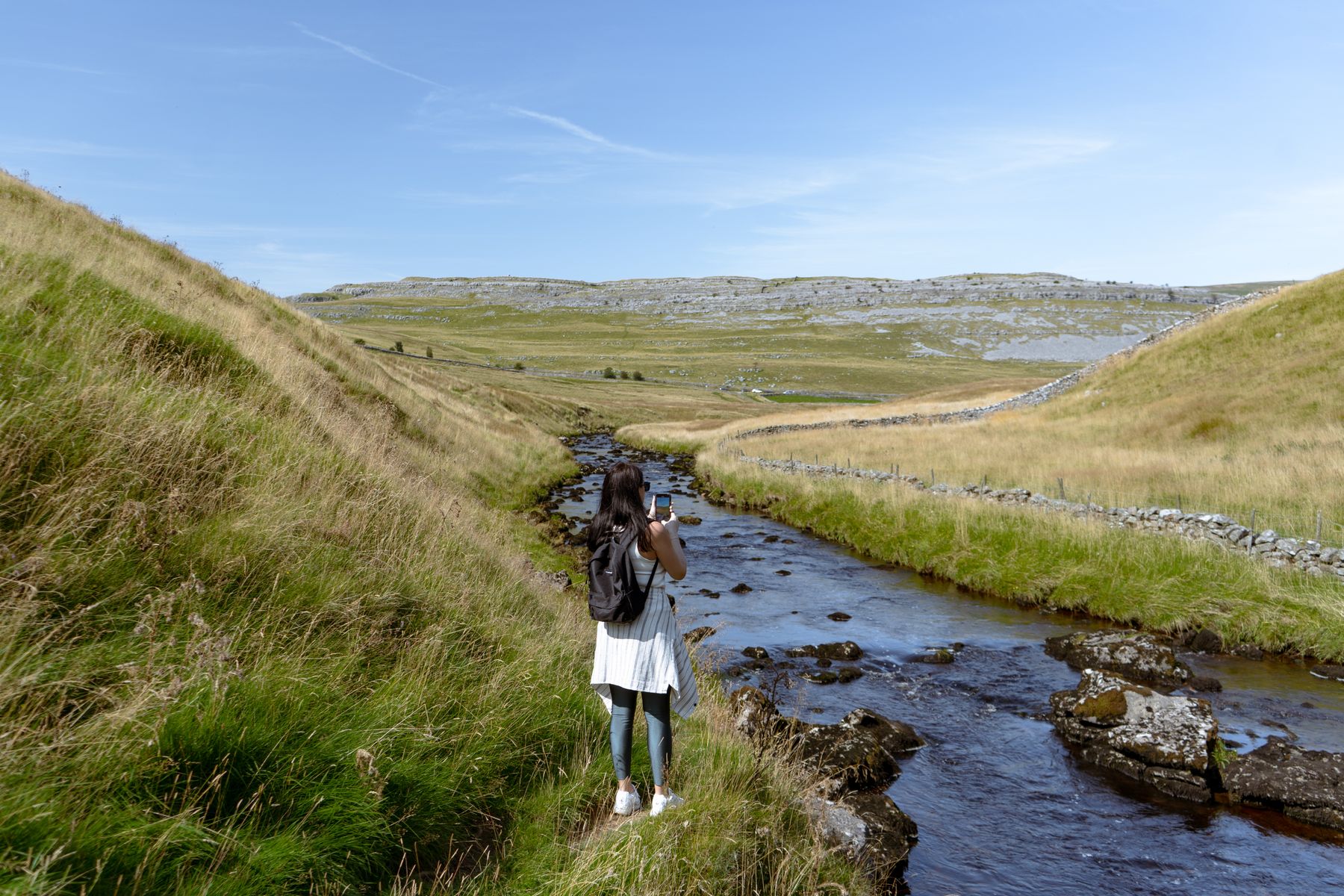
For the Dales and Moors, the gaps are real. Settle and Skipton sit on the Leeds–Carlisle line via Keighley, but Hawes, Grassington and Helmsley have no station. DalesBus runs summer Sunday services (the 875/876 across Buttertubs Pass, the 72 to Grassington) and the Moorsbus network covers Pickering–Helmsley–Danby on summer Sundays and bank holidays. Outside summer, buses thin to a handful of school-run services, so a car-free trip is easiest May–September and hardest in January.
Coastal and City Bases That Cut Car Miles
If you want a low-mileage weekend, base in a town where everything is walkable and use one or two bus or train hops for scenery. Whitby works well: the Abbey, harbour, 199 Steps and Pannett Park are all within 15 minutes on foot, and the Cinder Track (a former railway line) runs traffic-free to Robin Hood's Bay, about 6.5 miles by bike or on foot. The 840 Coastliner links Whitby to Pickering, Malton and York, so you can arrive by rail to York and continue by bus without touching a car.
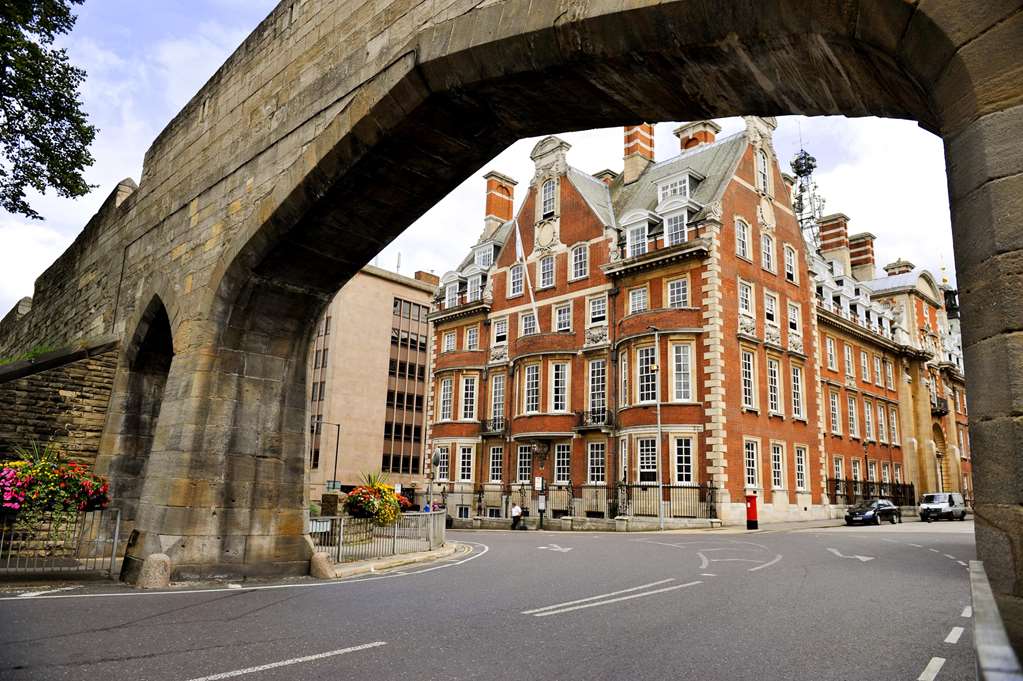
York itself is the strongest zero-car base in the county. The station is a 10-minute walk from the Minster, the city walls form a 2-mile circuit, and Rowntree Park, the Museum Gardens and the Shambles are all central. Harrogate is the second easiest: the station is 5 minutes from the Stray and the Turkish Baths, and the 36 bus runs every 10–15 minutes to Leeds and Ripon. By contrast, a Dales cottage near Kettlewell or Low Row pretty much requires a car — the 72 and 875 are summer-only, so if you want that landscape without driving, stay in Settle or Skipton instead.
Where to Sleep — and What to Skip
For a genuinely low-carbon stay, prioritise places you can reach on foot from a station or bus stop, and that have real green credentials rather than just a 'eco' label. In York, look at hotels inside the walls or along Micklegate and Bootham — expect roughly £90–£160 a night for a decent double in spring and autumn, higher on race days at the Knavesmire in May and August. In Whitby, the West Cliff and Baxtergate areas sit 10–15 minutes from the station; summer weekends push doubles to £120–£200, while November–March often drops to £60–£100.
Skip the out-of-town spa and golf hotels on the A64 and A1 corridors unless you have a car — you will end up driving for every meal. Skip self-catering cottages marketed as 'off-grid' that are 3 miles from the nearest bus stop; that is a car trip wearing a green hat. If you want one splurge, book a room with a view in Robin Hood's Bay or a Dales inn in Malham or Appletreewick, but check the bus timetable first: the 72 and 875 will not rescue you on a Tuesday in October.
Building the Itinerary and Booking It
A realistic car-light weekend: Friday train to York, evening on Micklegate and the riverside; Saturday morning Coastliner 840 to Pickering or Whitby, afternoon on the Cinder Track or Whitby Abbey; Sunday return by rail via Middlesbrough or York. An alternative Dales version: Leeds or Skipton by train, then the Settle–Carlisle line to Settle, walk to Malham Cove (about 6 miles each way, or a taxi if you must) and back via the 875 on a summer Sunday. Both keep you under 50 road miles for the weekend.
Book train Advances first — they are the constraint on timing and often the cheapest element. Then book lodging within a 15-minute walk of the station or a confirmed bus stop, because the last mile is what quietly turns a low-carbon trip into a car trip. Check the DalesBus and Moorsbus summer timetables before you commit, and avoid the August bank holiday and York race days if you want lower fares and quieter buses. If your dates are flexible, May, June and September are the sweet spot: long days, functioning buses, and rooms that are not at peak price.
Finally, treat the booking as part of the plan, not an afterthought. Search your dates on the site, filter for city-centre or station-adjacent properties, and read the cancellation terms — weather on the North York Moors can close the Esk Valley line and the A171, and a flexible rate is worth £10–£20 more than a non-refundable one when you are travelling by rail and bus.
Before you book
The questions people ask about York, answered with this month’s numbers.
Yes, but mainly May–September. Use the Esk Valley Line to Whitby or Danby, the 840 Coastliner for Pickering and Malton, and Moorsbus summer Sundays. Winter buses are sparse, so plan around the rail line rather than the moors' interior.
York. The station is a short walk from the Minster, walls, Shambles and riverside, and frequent trains reach Leeds, Harrogate, Malton, Scarborough and Whitby. Harrogate is a close second, with the 36 bus to Leeds and Ripon every 10–15 minutes.
Book train Advance tickets 4–12 weeks ahead, then lodging once your arrival time is fixed. Allow £90–£160 for a York double in spring or autumn; Whitby drops to roughly £60–£100 in winter. Avoid August bank holiday and York race days.