Thirsk and the Hambleton Hills: A Two-Day Base for Walkers
 2 The Square, Grassington: Honest Verdict for Solo Young Travellers
Why a small market town at the foot of the Hambleton Hills makes a practical, unhurried base for two days on foot in North Yorkshire.
Why Thirsk works as a walking base
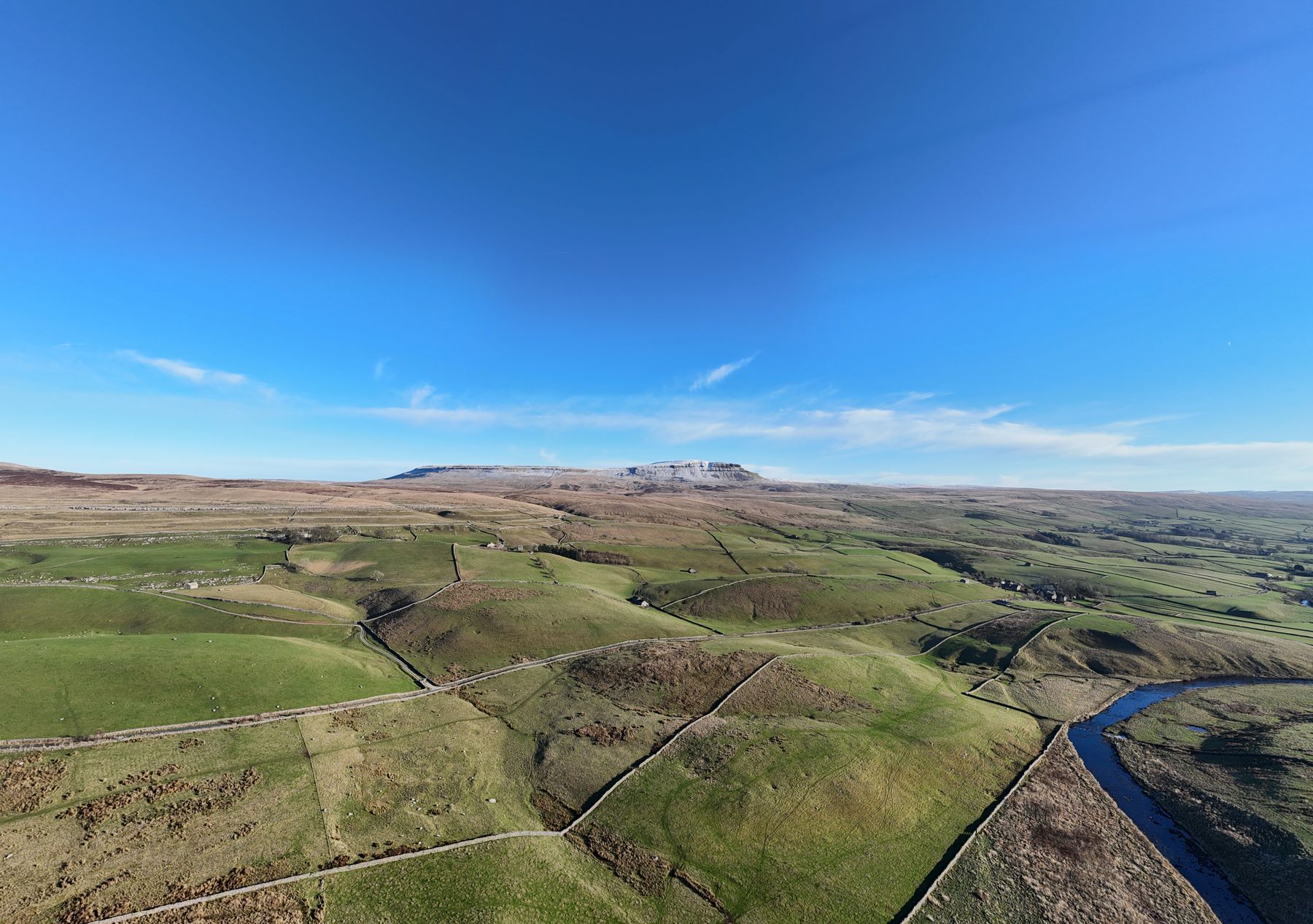
Thirsk sits on the flat floor of the Vale of Mowbray, with the Hambleton Hills rising steeply to the east and the Yorkshire Dales further west. That position is the practical argument: you can walk straight out of town onto lanes and field paths towards Oldstead and Coxwold, or drive ten minutes to the escarpment edge at Sutton Bank and be on the Cleveland Way. The town has a railway station on the East Coast Main Line spur from Northallerton, a bus link to York, and a market square with shops that open early enough to buy lunch before a walk.
For a two-night stay, look at guesthouses and small hotels in the streets just off the market place — Kirkgate, Westgate and the lanes around St Mary's Church — where you are five minutes from breakfast and five from the footpath sign. Rates in Thirsk generally run below those in York or Helmsley, and parking is rarely the problem it is in the moors villages. If you want dinner without driving, the Market Place area has the widest choice; the outlying pubs trade more on lunch.
Day one: the escarpment and Sutton Bank
Start at Sutton Bank, about eight miles east of Thirsk on the A170 towards Helmsley. The national park visitor centre there has parking, toilets and a cafe, and the Cleveland Way runs along the escarpment edge with the vale spread out below. A straightforward circuit of roughly six to seven miles takes in the White Horse of Kilburn, cut into the hillside below the bank, and returns through woodland. The ground is well drained and the gradients are short rather than sustained, which suits most walkers; the exposed edge is best avoided in high wind.
Pay attention to the road up from Kilburn — it is steep and narrow, and cyclists use it heavily at weekends. For a gentler second half, drop into the villages at the foot of the escarpment: Coxwold, with its Georgian rectory and church, and Husthwaite, both reached by quiet lanes. Spring and early autumn are the best months here: bluebells in the woods in May, and clean, long views in September before the leaf falls. Midsummer weekends bring the busiest car parks.
Day two: the Moors and the vale
For the second day, head north-east towards Osmotherley, roughly twenty-five minutes by car, and walk a section of the Cleveland Way where it crosses the moor above the village. The going is open and often muddy after rain, so boots rather than trainers. Alternatively stay closer to base and follow the lanes and field paths between Thirsk and the villages of Sowerby, Sandhutton and Carlton Miniott — flat, quiet and useful if legs are tired or the weather has turned. The old racecourse and the canal towpath towards East Thirsk give an easy hour without getting in the car.
If you have a third morning, the ruins at Rievaulx and the terrace above them are a short drive from Thirsk via Helmsley, and the walk from Rievaulx to Helmsley across the fields is one of the best half-days in the area. Book accommodation early for the weeks around the May bank holidays and the first weekend in September, when the area fills with walkers and the larger villages sell out first. I would choose Thirsk over Helmsley for a two-day walking base: more trains, more evening choice, and easier parking.
Practicalities and what to skip
Distances are short. Thirsk to York is about forty minutes by train or fifty by road; Thirsk to Northallerton is fifteen minutes; to Helmsley around twenty; to Osmotherley twenty-five. Trains run to London King's Cross via York and Northallerton, which makes arriving without a car realistic. Buses connect Thirsk with Northallerton and York, but rural services to the hill villages are thin, so a car helps for day two. Fuel and groceries are available in town; the last shops close in the early evening.
Skip the temptation to base yourself in York and commute: the drive out each morning costs you the best light and the quietest paths. Skip the busiest stretch of the Sutton Bank path on summer Sundays, and skip the drive up to the moors in fog — the views are the point. A two-night stay in Thirsk with one car day and one walk-from-the-door day is the balanced version. Check hotel availability for your dates before you commit to the walking plan.
Before you book
The questions people ask about Grassington, answered with this month’s numbers.
Not strictly. Field paths run from town to Sowerby and Carlton Miniott, and trains reach Northallerton and York. For Sutton Bank, Osmotherley and Rievaulx, a car or taxi is much easier; rural buses are infrequent and not reliable for a walking schedule.
Late April to June and September to early October give the best mix of daylight, ground conditions and views. Midsummer is fine but busy at Sutton Bank and Kilburn. Winter walking is possible on the lower lanes, but the escarpment edge is exposed and daylight is short.
Two nights covers the escarpment and a vale or moor walk without rushing. Three nights lets you add Rievaulx and Helmsley and still keep one day car-free. Book ahead for bank holiday weekends, when the area's guesthouses and small hotels fill quickly.