Where to Stay in the Yorkshire Dales: Village‑by‑Village Guide
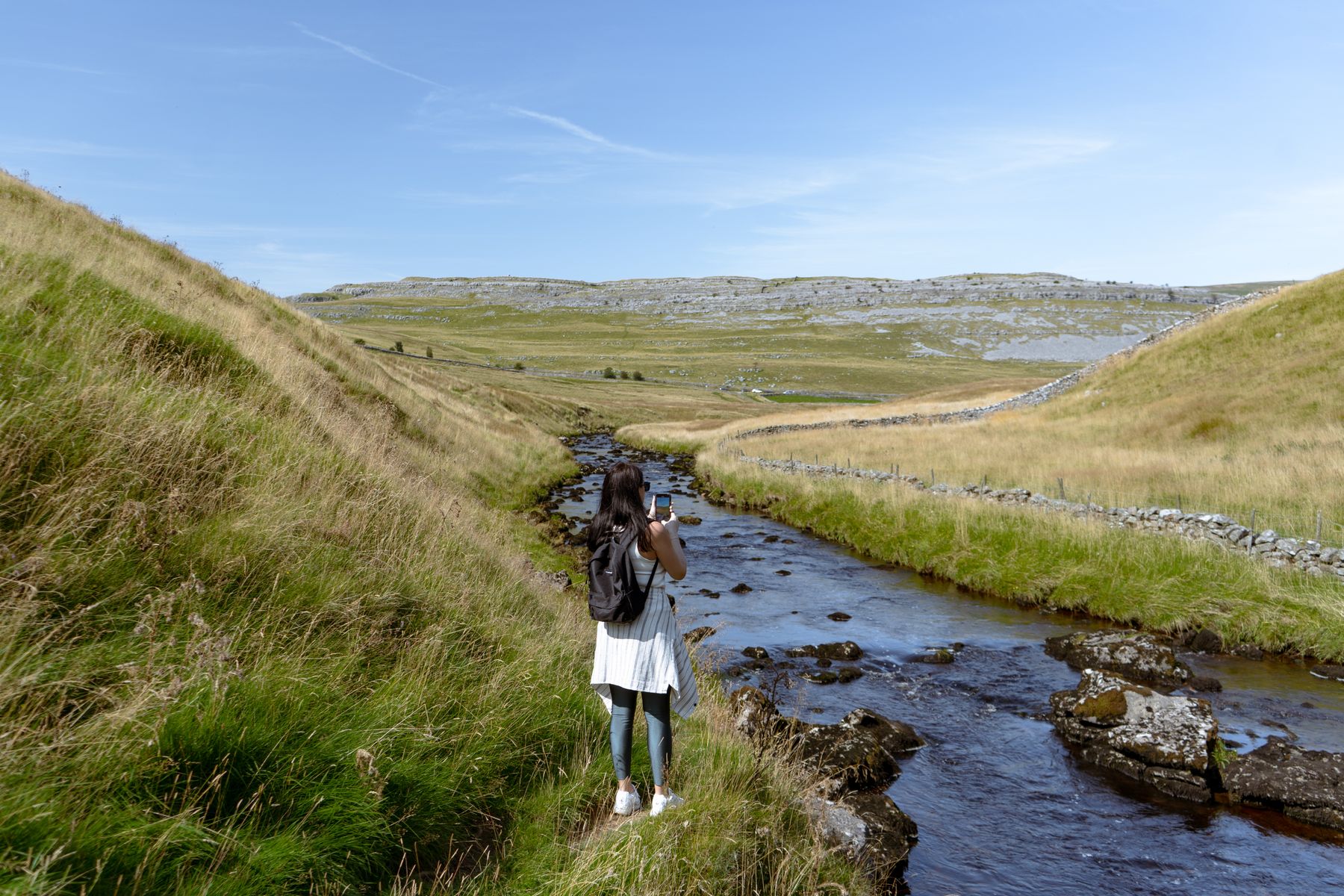 Stone cottages and drystone walls above a green Yorkshire Dales valley with limestone fells behind
From limestone pavements near Malham to cobbled market squares in Hawes, this guide walks you through the Dales' best-loved villages and the accommodation that puts you closest to the trails, pubs and heritage railways you came for.
Grassington: Traditional Dales Hub With Walking on Your Doorstep
Grassington sits squarely in Wharfedale, five kilometres north of Burnsall, and its Georgian cobbled square makes it the most tourist-ready base in the Dales. The market square—hedged by independent bookshops, outdoor-gear retailers and tearooms—fills most Saturday mornings between April and October, and you're a ten-minute stroll from the Dalesway riverside path. Stone guesthouses and coaching inns cluster along Main Street and Garrs Lane, with room rates hovering around £80–£130 per night for a double. Book a room facing the fells if you want sunrise over Grass Wood, or choose the back of a building if Saturday-market noise carries.
The village's location means you can walk the five-mile loop to Linton Falls and back before breakfast, or drive fifteen minutes west to Kettlewell to start the climb up Great Whernside. Families appreciate the mix of easy riverside ambles and the Grassington Dickensian Festival every December, which turns the square into a Victorian stage set. Parking is tight in high summer—most guesthouses offer a dedicated space or a permit for the Hebden Road car park—so confirm that detail when you book. I'd choose Grassington over Skipton if you want fells first thing in the morning rather than a canal and supermarket.
Eating options include the Foresters Arms on the square for battered haddock and hand-pulled Theakston, or walk five minutes down to the Devonshire Institute for wood-fired pizza on Thursday evenings in summer. The Cobblestones Café does all-day breakfast until two o'clock, useful after an early checkout. Most B&Bs will pack a lunch if you ask the night before, and the village Co-op stocks sandwiches and trail mix until seven in the evening.
Hawes: Upper Wensleydale Base for Waterfalls and Wensleydale Creamery
Hawes anchors the western end of Wensleydale, twenty-three miles west of Leyburn on the A684, and its Tuesday market has run since 1307. Accommodation spreads between the main street—Market Place and Station Yard—and the quieter lanes behind the creamery, with doubles from £75 to £140 depending on season. You're positioned for early starts to Hardraw Force, England's highest single-drop waterfall, which sits behind the Green Dragon Inn one kilometre north; entry is £4 and includes access through the pub's beer garden. The Pennine Way crosses the top of Hawes, so you'll see through-hikers restocking at the Spar and charging phones in the library.
Most visitors combine a creamery tour—£3.50, book online or walk in before eleven—with a drive or cycle to Aysgarth Falls, fifteen kilometres east, where three tiers of limestone steps make for the most-photographed cascade in the Dales. If you stay mid-week outside school holidays, you'll have Semerwater—England's second-largest natural lake—almost to yourself on a Wednesday morning. The stone cottages along Brunt Acres Road offer the quietest beds in Hawes, away from delivery lorries serving the creamery and the twice-daily coach tours that stop near the Ropemakers.
Hawes sits 850 feet above sea level, so pack a fleece even in July; evening temperatures drop quickly once the sun clears Wether Fell. The Wensleydale Heifer in West Witton, six miles east, has a Michelin Bib Gourmand if you want to drive for dinner, but the Board Inn on Market Place does generous steak-and-Wensleydale pies and keeps a drying room for wet boots. Most guesthouses here are family-run, so check-in is often five to seven rather than a twenty-four-hour desk.
Settle: Gateway to Ribblesdale and the Settle–Carlisle Railway
Settle occupies the southern Dales, seventeen miles northwest of Skipton on the B6479, and its Tuesday market square and proximity to the Settle–Carlisle line make it a favourite for rail enthusiasts and Pen-y-ghent climbers. Hotels and inns line Duke Street and Church Street, with doubles starting around £70 for a Victorian terrace room and rising to £150 for a boutique inn with fell views. The Naked Man Café on the square opens at eight, early enough to fuel a departure on the nine-thirty northbound service to Ribblehead Viaduct, which takes twenty minutes and costs £6.40 return. If you book a room near Victoria Street, you're a five-minute walk from Settle station and the same distance to the start of the Pennine Bridleway.
Giggleswick, immediately south across the River Ribble, offers quieter guest accommodation in converted schoolhouses and chapels, often £10–£15 cheaper than Settle proper. You lose the evening bustle of Market Place but gain front-door access to Giggleswick Scar's limestone pavement, where rare flora including rigid buckler-fern and limestone fern grow in the grykes. Pen-y-ghent's standard route begins at Horton-in-Ribblesdale, nine kilometres north; most walkers drive there, but the 580 bus runs three times daily in summer if you'd rather leave the car in Settle and take the twenty-five-minute ride.
The town's independent shops—Ye Olde Naked Man Café doubles as a second-hand bookshop, and DSW & Co sells maps and compasses—cluster within two blocks of Market Place, so an afternoon's worth of browsing fits between a morning walk and an evening meal. The Talbot Arms on High Street has kept its coaching-inn layout, with a stone-flagged bar and upstairs rooms that creak, and it's the meeting point for the Craven Pothole Club. If you prefer modern fixtures, the Lion at Settle on Duke Street was refitted in 2019 with power showers and USB points.
Reeth: Swaledale's Village Green and Bronze Age Trails
Reeth sits at the junction of Swaledale and Arkengarthdale, eighteen kilometres west of Richmond along the B6270, and its broad village green is ringed by three pubs, a bakery and the Dales Centre, which houses a museum upstairs. Accommodation spreads between stone cottages on Silver Street and farm B&Bs on the slopes above Calver Hill, with double rooms from £70 to £125; rooms overlooking the green cost a premium but let you watch Friday-evening morris dancing in summer without leaving your window seat. Swaledale is narrower and less visited than Wharfedale or Wensleydale, so you'll encounter quieter trails and more sheep than hikers on the moorland bridleways.
The Coast to Coast path runs directly through Reeth's green, so walkers on day five or six of Wainwright's route use the village to resupply and rest; the Dales Centre opens until five and sells local cheese, Swaledried meat and OS maps. If you're driving, park along the green's north side—free, no time limit—and walk twenty minutes west on the river path to the remains of lead-mining hushes on Fremington Edge, where Victorian sluice channels carved scars into the hillside. The Kings Arms and the Black Bull face each other across the green; the Kings Arms keeps Theakston and Black Sheep on cask, while the Black Bull has a larger menu including Swaledale lamb hotpot.
Grinton, two kilometres east, hosts St Andrew's Church, known as the Cathedral of the Dales for its size; the churchyard's lych-gate and stone walls frame a classic Dales photo at sunset. If you stay in Reeth mid-week in May or June, you'll have the high pastures around Calver Hill to yourself, with curlew and lapwing calls louder than traffic. Most guesthouses here don't take cards, so carry cash or confirm payment options when you book. The nearest supermarket is Richmond, a twenty-minute drive, so stock up on snacks before you arrive or rely on the village store, which closes at five-thirty.
Malham: Limestone Scenery and Britain's Most Dramatic Natural Amphitheatre
Malham village lies at the southern edge of the Yorkshire Dales National Park, ten kilometres north of Gargrave, and serves walkers tackling the Malham Cove, Gordale Scar and Malham Tarn circuit—a twelve-kilometre loop that takes in the Dales' signature limestone features. The village itself is small: a single street with a visitor centre, two pubs, a tea room and a clutch of B&Bs and bunkhouses. Double rooms range from £75 at a farmhouse B&B to £135 at a refurbished coaching inn, and advance booking between May and September is essential because the National Trust car park fills by ten on sunny weekends. If you arrive late, the overflow car park on Cove Road charges £8 for the day and adds a five-minute walk.
Book a room on the west side of the village if you want to watch the sunrise illuminate the 80-metre limestone cliff of Malham Cove from your window; east-facing rooms look toward the fells and catch morning sun later. The Pennine Way passes through the centre of Malham, so you'll share the pavement with through-hikers wearing oversized packs and trail runners doing the Three Peaks route backwards. The Buck Inn and the Lister Arms both serve food until eight-thirty, and both have drying rooms; the Lister has a slightly larger menu and a beer garden that faces the beck. If you're walking Gordale Scar's waterfall scramble, wear boots with ankle support—the rock is polished smooth by thousands of ascents and stays damp even in dry spells.
Malham Tarn, three kilometres north, is a glacial lake surrounded by rare alkaline fen and was the model for Charles Kingsley's Water-Babies. The footpath from the village climbs steeply up the Cove's stepped limestone pavement—slippery when wet—before levelling out across open pasture. Most walkers complete the cove-scar-tarn loop in four hours, but budget five if you want to linger at Gordale's plunge pool or detour to Janet's Foss, a small waterfall in a wooded glen two kilometres south of the village. Accommodation in Malham itself is limited to around a dozen properties, so if everything's full, look at Airton or Kirkby Malham, both within three kilometres and connected by footpaths.
Aysgarth and Bolton Abbey: Riverside Stays for Waterfall Walks and Monastic Ruins
Aysgarth, on the A684 midway between Hawes and Leyburn, offers limited accommodation—two inns, a converted coach house and a handful of farm B&Bs—but compensates with direct access to Aysgarth Falls' triple cascade and a position in the heart of Wensleydale. Doubles start at £80; the George and Dragon on the main road has ten rooms above the bar, while Bainside B&B overlooks the lower falls and costs around £95. The falls themselves split into upper, middle and lower sections, connected by a riverside path through oak and ash woodland; the entire walk covers two kilometres and takes an hour if you pause at each viewing platform. Turner painted the falls in 1816, and the middle section appeared in Robin Hood: Prince of Thieves, so the spot draws coach parties in July and August—visit before nine or after five to avoid the crowds.
Bolton Abbey, thirty kilometres southeast near the edge of the Dales, is technically a priory ruin but has drawn visitors since the Romantics adopted it as a symbol of picturesque decay. The estate charges £12 per car for all-day parking, which includes access to the ruins and eighty kilometres of footpaths along the River Wharfe; the Strid, a narrow gorge where the river compresses to less than two metres wide, lies five kilometres upstream and has a reputation for sweeping careless walkers into the current—stick to the marked path and don't attempt to jump the gap. The Devonshire Arms in Bolton Abbey village offers the area's most upscale lodging, with doubles from £180 and a spa; alternatively, Barden Tower bunkhouse, six kilometres north, provides basic beds for £25 per person and suits groups walking the Dales Way.
Both Aysgarth and Bolton Abbey sit on the Wharfe and Ure river systems, so expect midge clouds in calm, humid evenings between June and August—bring repellent or book a room with screens. Aysgarth's National Park Centre, beside the upper falls car park, stocks maps, trail snacks and local-history pamphlets, and the volunteer staff can suggest alternative routes if the main paths are waterlogged. Bolton Abbey's tea cottage, near the priory ruins, serves scones until four and has outdoor seating on the riverbank; it's National Trust–run, so quality is reliable but prices reflect the monopoly. If you stay overnight in either spot, you'll have the ruins or falls to yourself at dawn, which justifies the slightly higher room rates compared to larger villages.
Before you book
The questions people ask about Settle, answered with this month’s numbers.
Settle offers the strongest public transport, with the Settle–Carlisle Railway running north to Ribblehead and Carlisle multiple times daily, and bus route 580 connecting to Horton-in-Ribblesdale and Ingleton in summer. Grassington has regular buses to Skipton, which then connects to Leeds and Bradford. Hawes and Reeth rely mainly on infrequent rural bus services, so a car becomes necessary if you want to explore beyond the immediate village.
Late September through October delivers the quietest trails and lowest accommodation prices, with autumn colour on the fells and still-decent weather for walking. January and February are also quiet but bring short daylight hours and closed tearooms. Avoid bank-holiday weekends and the two weeks around the Yorkshire Three Peaks Challenge in late April, when Horton-in-Ribblesdale, Malham and surrounding villages see the heaviest footfall of the year.
Between May and September, and especially for Friday or Saturday nights, advance booking is essential in Malham, Grassington and Hawes—many properties are small, with only three to six rooms. Midweek stays in shoulder months like April or October offer more flexibility, and you can often find same-day availability in Settle or Reeth. Always book ahead for bank holidays, the Tour de Yorkshire weekend in early May, or any village hosting a festival.
Grassington combines short, flat riverside walks—the path to Linton Falls is pushchair-friendly for the first two kilometres—with a compact village centre where cafés and shops cluster around the cobbled square. Bolton Abbey also suits families, offering gentle trails beside the Wharfe, the priory ruins for exploration, and a large grassy area for picnics. Hawes and Malham involve steeper terrain immediately outside the village, making them better for older children comfortable with longer ascents.
The Dales Way connects Bolton Abbey, Grassington and Kettlewell along the Wharfe, and you can walk village to village in stages of twelve to eighteen kilometres. The Pennine Way links Malham, Horton-in-Ribblesdale and Hawes, though these are longer sections. Coast to Coast walkers routinely move between Reeth, Grinton and Gunnerside on foot. Realistically, unless you're tackling a long-distance route, you'll need a car or careful bus planning to visit multiple villages in a short trip—the 72 and 73 buses serve Wensleydale, while the 580 and 74 cover Ribblesdale.