York Racecourse: Ticket Prices, Where to Stay and the Best Pre-Race Pubs and Restaurants
 Racehorses and jockeys thundering down the home straight at a British flat-racing course
From £20 County Stand tickets to Championship racedays and Ebor Festival hospitality, here's how to plan your day at the Knavesmire—plus the hotels, gastropubs and eateries within walking distance or a short taxi ride.
What you'll pay to get through the gate at York Racecourse
York Racecourse on the Knavesmire sits barely a mile south-west of the city walls, and admission varies wildly depending on which fixture you pick. The cheapest way in is a County Stand ticket on a weekday fixture outside the major festivals—expect to pay around £20 to £25 if you book online in advance, rising to £28 on the day. The County Stand puts you on the far side of the parade ring with a good view down the home straight, though facilities are basic: open-air betting windows, a couple of bars and toilets that queue up quickly when the feature race approaches. If you want padded seats and waiter service you're looking elsewhere, but for a relaxed afternoon with a pint and a racecard it does the job without trouble.
Step up to the Clocktower enclosure and you're paying £30 to £40 for most meetings, £45 to £55 on bigger Saturdays. You get access to the parade ring, smarter bars, better food concessions and a viewing area that runs the length of the grandstand. On Championship racedays—think the Dante meeting in May or the John Smith's Cup fixture in July—Clocktower tickets edge toward £50, and for the four-day Ebor Festival in late August you'll find them priced at £60 to £70 depending on which day you attend. Ebor Wednesday, when the feature handicap runs, is always the most expensive; Saturday of Ebor week is fractionally cheaper because the Ebor itself has already been run. If you're new to the course, Clocktower is the sensible middle ground: enough atmosphere that you feel part of the day, enough elbow room that you're not fighting for a sight-line, and you can still wander down to the rail to watch them flash past at the furlong pole.
Hospitality packages start around £180 per head for a basic private box with a three-course lunch and complimentary bar on a midweek card, climbing to £250 or more on a Saturday and well over £300 during Ebor week. The Ebor Restaurant and the 1731 Restaurant both offer table service, champagne reception and a balcony overlooking the winning post, but you're committing to a five-hour sit-down experience—wonderful if you enjoy that rhythm, frustrating if you'd rather move around between races. For Royal Ascot–style formality York also runs a September fixture with a smart-casual dress code in certain enclosures, though it never quite matches Ascot's hat parade. My own choice for a first visit would be Clocktower on a Friday in July: lively crowd, decent card, and you can still book a room in the city without paying festival-week premiums.
Hotels within walking distance of the Knavesmire
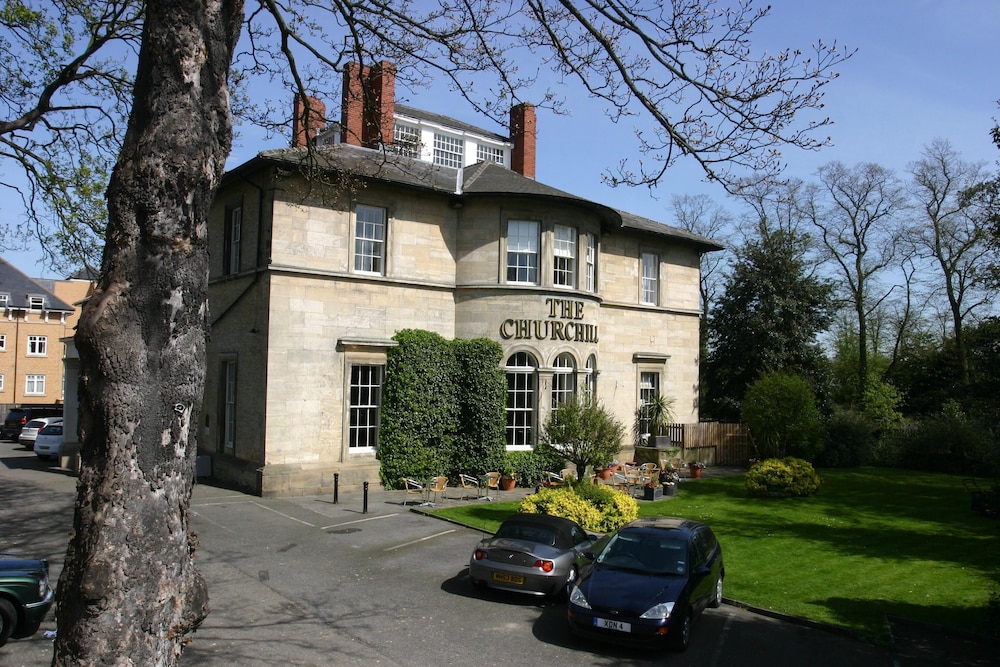
The racecourse address is Tadcaster Road, and the closest cluster of beds lies along that same stretch heading back toward the city, These include hotels such as Elmbank York, A 19th-century Art Nouveau boutique mansion on The Mount. Hotel du Vin York, a grade II listed Georgian mansion featuring chic rooms and a classic bistro. Delta Hotels by Marriott York, Situated roughly 650 yards from the Knavesmire directly against the York Racecourse backdrop, offering an indoor pool, relaxing spa, and peaceful retreat. All of which are a short walk from the medieval centre. Rooms run £90 to £140 depending on the season; avoid Ebor week unless you enjoy paying double.
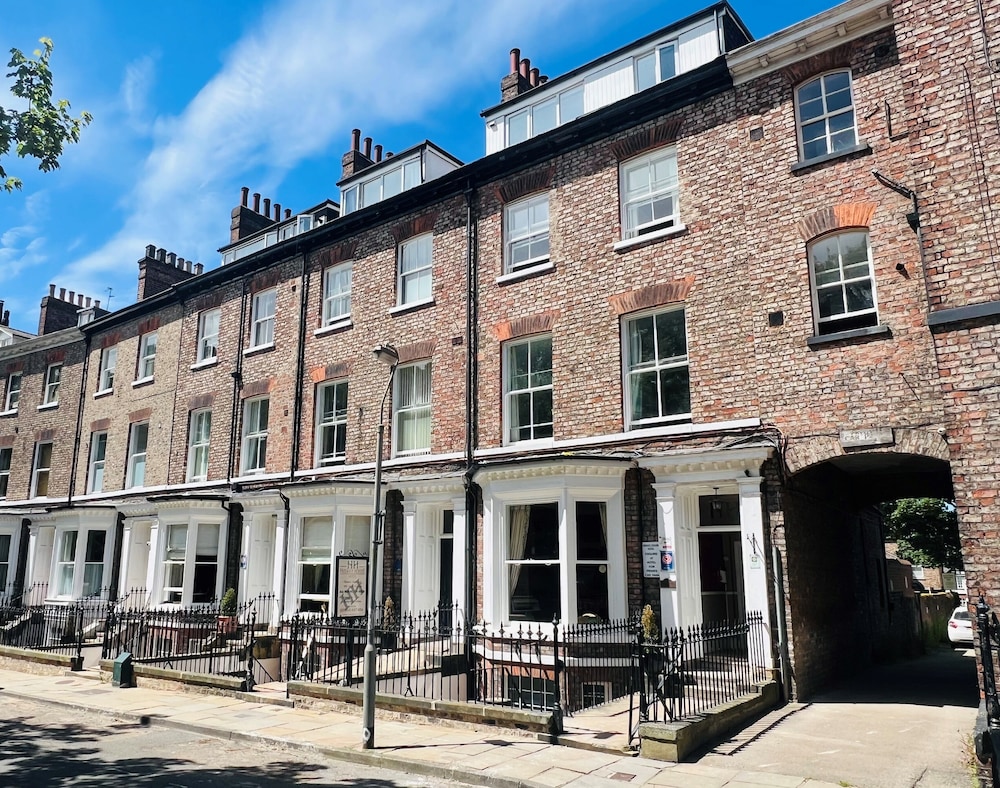
Across the road the Holiday Inn York offers similar modern-chain comfort at £80 to £110 most nights, again spiking during festivals. Both hotels fill up with racegoers on big fixtures, so the bars can be loud on a Friday evening in summer—a bonus if you want to talk horses over a pint, less welcome if you hoped for a quiet night. Closer still to the course you'll find a cluster of B&Bs along Bishopthorpe Road and Scarcroft Road: family-run Victorian semis with two or three letting rooms, usually priced £60 to £85 for a double with a full English included. The Acer Guest House on Scarcroft Road is tidy, the owners know the race calendar and will call you a taxi for first-race time, and you're ten minutes on foot to the County Stand entrance. It's basic—shared landing, no lift, street parking—but if your budget is tight and you plan to spend the day at the races rather than the hotel, it makes sense.
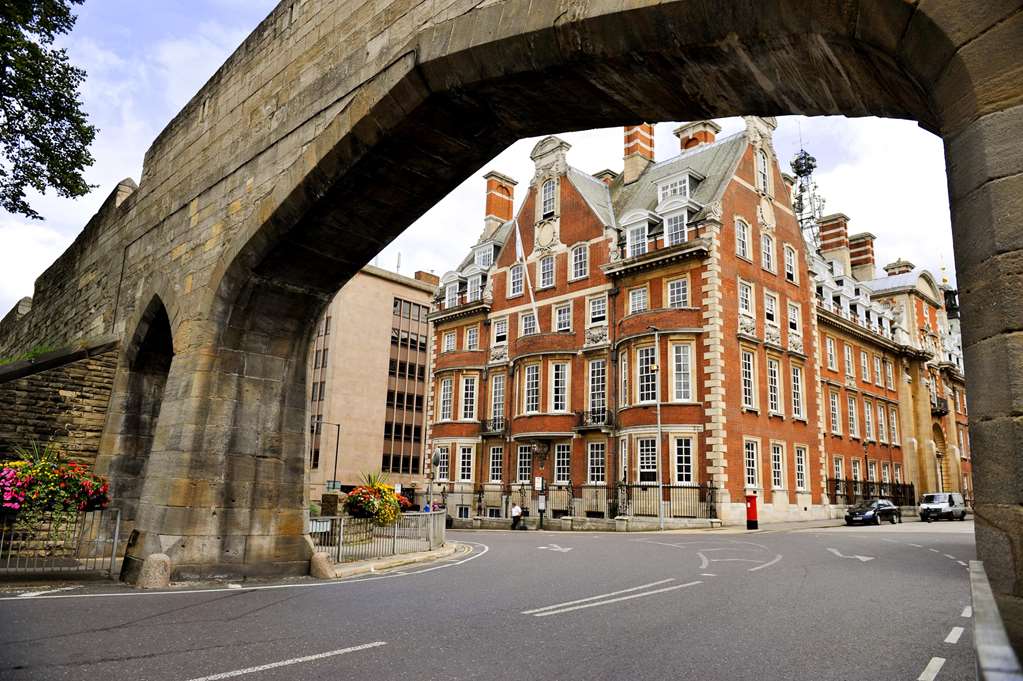
If you'd rather be in the city itself and take a cab or bus to the course, the area around Micklegate and Blossom Street puts you a twenty-minute walk or a £6 taxi from the Knavesmire gates. The Parkside Guest House on St Mary's faces Rowntree Park and charges around £70 for a double; the walk to the racecourse takes you along the river Ouse and up Terry Avenue, pleasant in sunshine, grim in February drizzle. For something smarter, The Grand on Station Rise—opposite the railway station—offers marble hallways, a cocktail bar and rooms from £130. It's a mile and a half to the course, so you'll want a taxi, but you're also five minutes on foot from the city walls, the Shambles and every restaurant worth visiting. I'd book The Grand if the racing were an excuse to spend a weekend in York; I'd take the Hilton on Tadcaster Road if the horses were the main event and I wanted to walk back for a post-race pint without waiting for a cab.
Pre-race pubs that actually serve food before first off
Racegoers make two mistakes with pub timing: they assume kitchens open at eleven, and they assume every pub near the course wants their business. In practice most York kitchens start serving at noon, and on a big race day first post is often half-twelve or one o'clock, leaving a narrow window. The Knavesmire pub sits directly opposite the racecourse main entrance on Tadcaster Road and opens early on fixture days—usually ten o'clock—with a breakfast menu of sausage baps, bacon rolls and fried-egg sandwiches until eleven-thirty, then a short lunch card of pies, fish and chips, and burger-and-chips from noon. It fills quickly because the location is obvious, but turnover is fast and the staff know the drill: order at the bar, collect a numbered paddle, grab a table in the beer garden if the weather holds. Prices sit around £8 for a roll, £12 for hot food, and a pint of John Smith's is £4.20. The atmosphere is cheerful chaos—racegoers in summer dresses and trilbies mixing with regulars in work boots—and you'll be done and across the road in time for the first.
Walk ten minutes north up Tadcaster Road toward the city and you reach The Punch Bowl at the top of Micklegate. Being a Wetherspoons pub, The Punch bowl is a guaranteed money saver when it comes to food and drink. With the kitchen open from 8am for breakfast every morning served until noon, and the main menu served from 11.30 onwards. Whether looking for a cheap meal and a drink pre races, or an affordable night out to spend your hard earned race day winnings, The Punch Bowl is a clear winner.
For something smarter, the Star Inn The City occupies a glass-and-timber pavilion on the north bank of the Ouse, thirty minutes' walk from the racecourse but worth the detour if you want a proper lunch before heading to the track. They serve from noon and the menu leans into seasonal Yorkshire produce: Whitby crab, Ampleforth beetroot, rare-breed pork. A main runs £16 to £22, and you'll want to book if it's Ebor week or a Saturday fixture. The view across the river toward the Minster is the best in the city, and if you time it right you can eat, settle the bill by half-twelve, and still catch a taxi to the Knavesmire for a one-thirty first race. On a midweek card in May or June, when the pressure is off and the sun slants through the floor-to-ceiling windows, it's the lunch I'd choose—but only if I'd already decided I cared more about the food than getting a spot by the rail for the opener.
Where to eat after racing without fighting the crowd
When the last race finishes—usually around half-four or five o'clock depending on the fixture—the Knavesmire pub and every other Tadcaster Road boozer swells with punters cashing winning tickets or drowning losing ones. If you enjoy that energy, stay; if you want a seat and a conversation you can hear, walk. Bishopthorpe Road, which runs parallel to Tadcaster Road one block east, has become York's answer to a gastropub corridor in the past decade. The Hop on Bishopthorpe Road itself does wood-fired pizza from four o'clock onward—£10 to £13, thin base, generous toppings—and local craft beer from Bad Seed and Brew York. It's casual, noisy in a good way, and the kitchen keeps going until nine. You'll wait fifteen minutes for a table on a Saturday raceday, half that on a weekday, and you can sit outside if the evening is warm and you don't mind the smell of sourdough smoke drifting over the pavement.
Further along the same street, The Pig & Pastry occupies a corner plot with big windows and a menu that splits between charcuterie boards, slow-cooked meats and rotating seasonal plates. They open at five and take bookings, which on race evening is the difference between a relaxed glass of wine at six and a pavement wait at seven. Expect £14 for a main, £8 for sides, £6 for a decent glass of Rioja. The clientele is mixed—couples, families, groups of racegoers still wearing lanyards from hospitality boxes—and the service is efficient without being rushed. If you've spent the afternoon on your feet in the Clocktower and want to sit somewhere warm with proper plates and cutlery, this does the job well.
For a quieter, older-fashioned experience, the Lamb & Lion on High Petergate in the city centre serves a short dinner menu from six o'clock: steak, fish pie, a vegetarian option that changes daily. The pub dates to the fourteenth century, all low beams and uneven floors, and the upstairs dining room looks onto the Minster's south transept. A main costs £13 to £16, and they keep a good selection of Timothy Taylor and Copper Dragon ales. It's a twenty-minute walk from the racecourse or a short taxi, and because it sits tucked down a side street rather than on a main drag it stays calm even when the city is busy. I'd book a table here if I wanted to decompress after a long day in the sun, eat something simple and well made, then wander back to a hotel on Micklegate without fighting through hen parties on Coney Street.
Getting to York Racecourse by train, car and bus
York railway station sits a mile and a half north-east of the racecourse, about thirty minutes on foot or a £6 to £7 taxi. On major fixtures the course runs a shuttle-bus service from the station—usually a double-decker leaving every twenty minutes from noon until an hour after the last race—priced at £3 return. The bus drops you at the main entrance on Tadcaster Road and picks up from the same spot after racing. It's efficient if you don't mind standing in a queue, less appealing if you're in heels or carrying a hamper. I've used it several times on Ebor week and never waited longer than fifteen minutes, but if four of you are travelling together a taxi costs about the same and delivers you to the gate without the intermediate stops.
By car, the racecourse is well signposted from the A64 and the A1036. Official on-site parking costs £10 to £15 depending on the fixture and must be booked in advance through the racecourse website; turn up on the day and you'll likely be turned away or redirected to an overflow field half a mile down Tadcaster Road. If you're staying at one of the Tadcaster Road hotels, ask whether they offer raceday parking—some do for guests, some explicitly ban it. Street parking on the residential roads around Bishopthorpe Road and Scarcroft Road is free but heavily competed for on big Saturdays; arrive before eleven or accept a ten-minute walk. The drive from Leeds takes forty minutes via the A64 in light traffic, an hour if you hit the evening commute. From Harrogate it's thirty-five minutes down the A59, and from Scarborough just under an hour along the A64 eastbound, though that road is single-carriageway in stretches and lorries slow the flow.
Local buses—the number 11 and number 15—run from York city centre to stops on Tadcaster Road close to the racecourse, but frequency drops to every thirty minutes off-peak and the journey takes twenty minutes because of the loop through South Bank. If you're staying in the city and don't want to walk or pay for a taxi, the bus works, but check the return timetable: services thin out after six o'clock and you may find yourself waiting in the drizzle on Tadcaster Road while taxis stream past full of other racegoers. On balance, if you're travelling from outside York I'd take the train and shuttle bus for convenience; if you're based in the city I'd walk or take a taxi; and if you're driving from further afield I'd book parking in advance and build in time for the queue to exit the car park after the last race—it can take thirty minutes to clear on Ebor Wednesday.
Which meetings to target and which to skip
York runs around fifteen fixtures a year, split between jumps in winter and Flat from May to October. The jumps cards draw a smaller, hardier crowd and ticket prices drop to £18 or £20 for the County Stand, but the course loses its sparkle in January drizzle and the city itself is cold and dark by four o'clock. Unless you're a committed National Hunt fan, save your visit for the Flat season. The Dante Festival in mid-May is the first major meeting: two days, Wednesday and Thursday, headlined by the Dante Stakes—a recognised Derby trial—and the Yorkshire Cup. Crowds are healthy without being overwhelming, the weather is usually kind, and hotels in the city still have rooms at normal rates. It's my preferred meeting for a relaxed introduction to York racing.
The John Smith's Cup fixture in early July is a single Saturday that draws a big, beery crowd for a competitive handicap and a supporting card of sprints. Expect fancy dress, loud groups and a party atmosphere that peaks around the fourth race then mellows as people drift toward the bars. If you like that energy, go; if you prefer to watch the horses without someone in an inflatable costume blocking your view, skip it. The Ebor Festival in late August is the highlight of the northern Flat calendar: four days, twenty-plus Group races, international runners and a fashion competition that takes itself half-seriously. Wednesday is Ebor day, the richest handicap in Europe, and the crowd tops twenty-five thousand. Thursday is slightly quieter, Friday edges back up, and Saturday—the Coolmore Nunthorpe Stakes, a five-furlong sprint—closes the week with a flourish. Tickets are expensive, hotels are full, and the city heaves, but the racing is world-class and the atmosphere unmatched outside of Royal Ascot. Book six months ahead if you're serious.
September and October bring a handful of valuable handicaps and stakes races on midweek cards that offer excellent racing without the festival crush. The Convivial Maiden at the September fixture is worth watching if you follow two-year-olds, and the late-season staying races often attract horses prepping for the St Leger at Doncaster or the Cesarewitch at Newmarket. These meetings rarely sell out, ticket prices stay reasonable, and you can book a Tadcaster Road hotel the week before without trouble. For a low-key, high-quality day at the races, I'd pick a Thursday in September over a crowded Saturday in July every time.
Before you book
The questions people ask about York, answered with this month’s numbers.
Yes, the County Stand and Clocktower enclosures sell tickets on the gate for most fixtures, though you'll pay a few pounds more than the advance online price. Ebor Festival and other major meetings sometimes sell out in advance, so check the racecourse website before travelling. Hospitality packages must be booked ahead.
County Stand and Clocktower have no formal dress code, though most people dress smart-casual—shirt and chinos for men, summer dress or trousers for women. Hospitality areas request jackets for men. Trainers and sportswear are discouraged but not banned. Ebor Festival sees more effort, especially on Ladies' Day, but it's not as strict as Royal Ascot.
A typical card runs six or seven races over four to five hours. First race is often between half-twelve and two o'clock, last race around half-four or five. Ebor Festival days start earlier and finish later. Allow an extra hour if you want to watch the horses parade, place bets and explore the enclosures before racing begins.
Yes, it's about a mile and a half from Micklegate Bar to the main entrance, taking twenty-five to thirty minutes at a steady pace along Tadcaster Road. The route is flat and straightforward. Most people walk if the weather is decent, especially from hotels on Blossom Street or The Mount. Taxis are plentiful if you'd rather ride.
Clocktower gives you access to the parade ring, decent facilities and a good view without the cost of hospitality. Expect to pay £30 to £50 depending on the fixture. County Stand is cheaper but more basic; hospitality is excellent but expensive and keeps you seated for hours. For most people, Clocktower hits the sweet spot between price and experience.